

 English
  日本語
日本語 Customizing Your Outdoor Rectangular BBQ Grill: Tips for the Perfect BBQ Experience
Understanding the Rectangular Grill Format
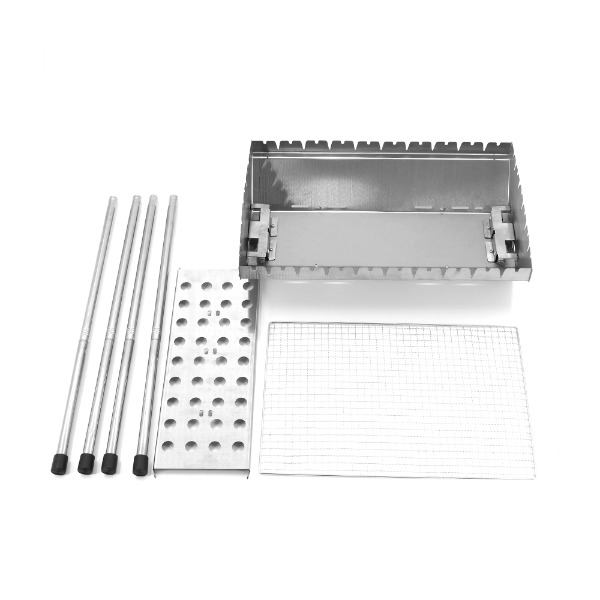
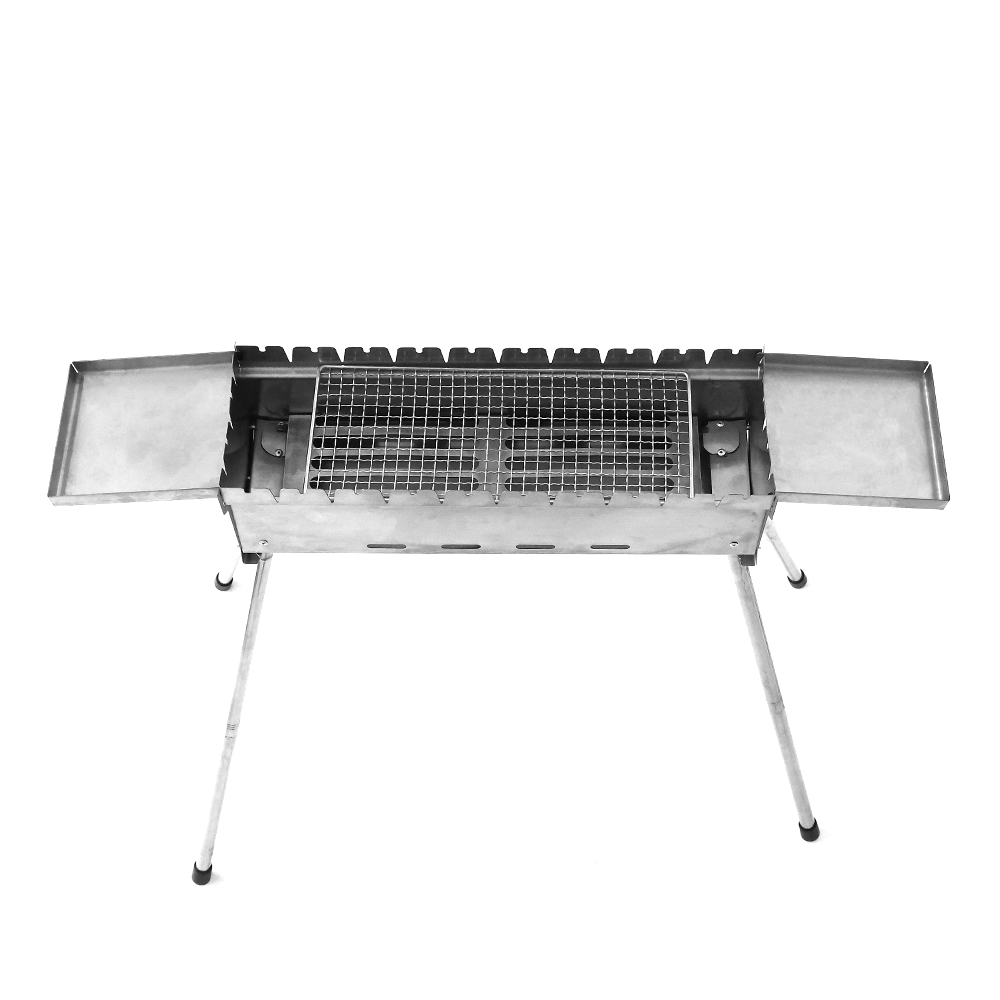
A rectangular grill body is one of the most common shapes chosen for both home gardens and commercial catering setups. The elongated cooking surface allows operators to organize food by cooking zone, separating high-heat searing areas from low-heat holding areas. This is one reason a outdoor conventional rectangular bbq grill remains a practical choice for users who need consistent, repeatable cooking results rather than a single small grilling zone.
Unlike round kettle-style units, a rectangular chamber offers a larger continuous grate area relative to its footprint, which matters when multiple food types are cooked at once, such as vegetables on one side and proteins on the other.
Material Selection: Why It Affects Long-Term Durability
The metal used in the firebox and body directly affects how a grill performs after repeated heating and cooling cycles. Thin gauge steel warps faster under sustained charcoal heat, while thicker stainless or coated steel resists deformation and resists rust when exposed to moisture.
| Material Type | Heat Resistance | Rust Resistance | Typical Use Case |
|---|---|---|---|
| Standard Carbon Steel | Moderate | Low without coating | Budget garden use |
| Powder Coated Steel | Moderate to High | Moderate | Residential outdoor patios |
| Stainless Steel (201/304) | High | High | Commercial and coastal environments |
For buyers sourcing from a bbq grill supplier, requesting material thickness specifications in millimeters, rather than relying on general terms like heavy duty, gives a clearer basis for comparison.
Airflow Design in Charcoal Rectangular Units
Charcoal combustion depends heavily on controlled oxygen flow. A well designed charcoal bbq grill includes adjustable intake vents at the base and an exhaust point, allowing the operator to raise or lower internal temperature without adding or removing fuel.
Adjusting both vents together, rather than only one, gives finer temperature control across the full length of a large rectangular charcoal bbq grill, particularly when the cooking surface exceeds one meter in length.
Sizing the Grill to Actual Usage Patterns
- Small households cooking two to four servings typically need a grate area under half a square meter
- Garden parties with eight to twelve guests generally require a grate area between half and one square meter
- Commercial or catering operations often need continuous rectangular grates exceeding one and a half meters in length
Choosing an oversized unit for infrequent small gatherings leads to uneven heat distribution, since charcoal placed under a small food load leaves much of the grate empty and cooling unevenly.
Customization Options Worth Considering
Adjustable Grate Height
Multi level grate systems let users move food closer to or further from the heat source without adjusting the charcoal itself, which is useful for slow cooking cuts alongside quick searing items.
Portability Features
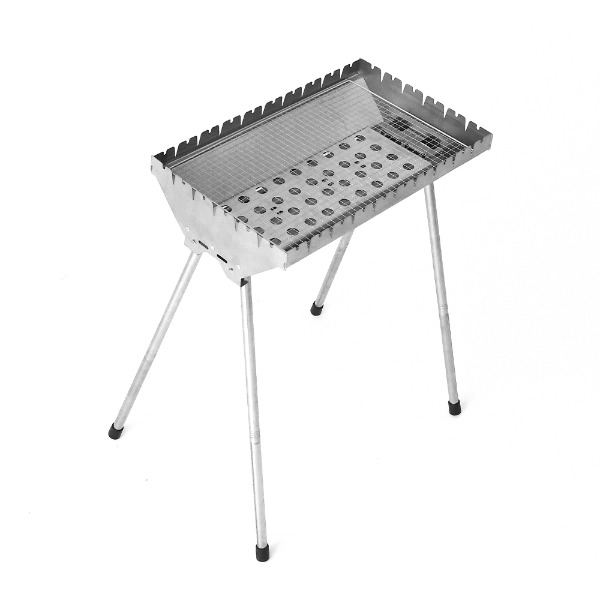
A portable bbq grill intended for transport benefits from folding legs, locking wheels, or detachable side tables that reduce overall shipping volume without compromising cooking surface area.
Ash Management Systems
Removable ash trays positioned beneath the charcoal bed simplify cleaning and reduce the risk of residual heat causing damage to the base structure over repeated use cycles.
Considerations for Commercial and Wholesale Buyers
Operations sourcing a commercial bbq grill in bulk quantities should evaluate consistency across units, not just a single sample. Variance in weld quality, grate spacing, and vent alignment across a production batch affects long-term reliability more than any single feature.
| Evaluation Point | Why It Matters |
|---|---|
| Weld seam consistency | Prevents structural failure under repeated thermal expansion |
| Grate spacing uniformity | Ensures even food contact and prevents small items falling through |
| Vent alignment across units | Maintains predictable airflow control between batches |
| Coating adhesion | Reduces peeling and corrosion after repeated heat cycles |
Working with a custom bbq grill manufacturer that provides batch testing documentation gives buyers a clearer picture of expected performance before committing to a wholesale rectangular bbq grill order.
Maintenance Practices That Extend Service Life
Regular maintenance has a greater impact on grill lifespan than material choice alone. Even stainless steel bodies accumulate grease residue that, left uncleaned, can trap moisture against the metal surface.
- Remove ash and unburned residue after each full cooling cycle
- Wipe interior surfaces with a dry cloth before storage to limit moisture retention
- Inspect vent mechanisms periodically to confirm they open and close smoothly
- Check leg or wheel joints for looseness caused by repeated movement
Placement and Outdoor Cooking Equipment Safety
Positioning outdoor cooking equipment away from overhanging structures and on a stable, non flammable surface reduces fire risk and improves airflow around the unit. A garden bbq grill placed too close to walls can also experience uneven internal temperatures due to restricted air circulation on one side.
Frequently Asked Questions
Q1: What makes a rectangular grill different from a round grill in daily use?
A rectangular shape provides a larger continuous surface for organizing multiple cooking zones, which is helpful when preparing several food types at different heat levels simultaneously.
Q2: How thick should steel be for a heavy duty outdoor bbq grill?
Thicker gauge steel generally resists warping better under repeated high heat cycles, though exact requirements vary depending on frequency of use and climate exposure.
Q3: Can airflow control really change cooking results significantly?
Yes, adjusting intake and exhaust vents allows more precise temperature management than relying only on charcoal quantity, which helps prevent scorching or undercooking.
Q4: What should wholesale buyers prioritize when comparing suppliers?
Consistency across production batches, including weld quality and vent alignment, tends to matter more for long-term reliability than any single standout feature.
Q5: Does portability reduce cooking performance?
Not necessarily, as long as the folding or detachable components do not compromise the structural integrity of the main cooking chamber and grate support.
Contact Us

-
No.1129 Yunhe Road, Xiuzhou Industrial Garden, China
 Add.
Add.
-
+86-573-82795217 / +86-13957311130
 Tel.
Tel.
-
[email protected]
 Email.
Follow us.

