

 English
  日本語
日本語 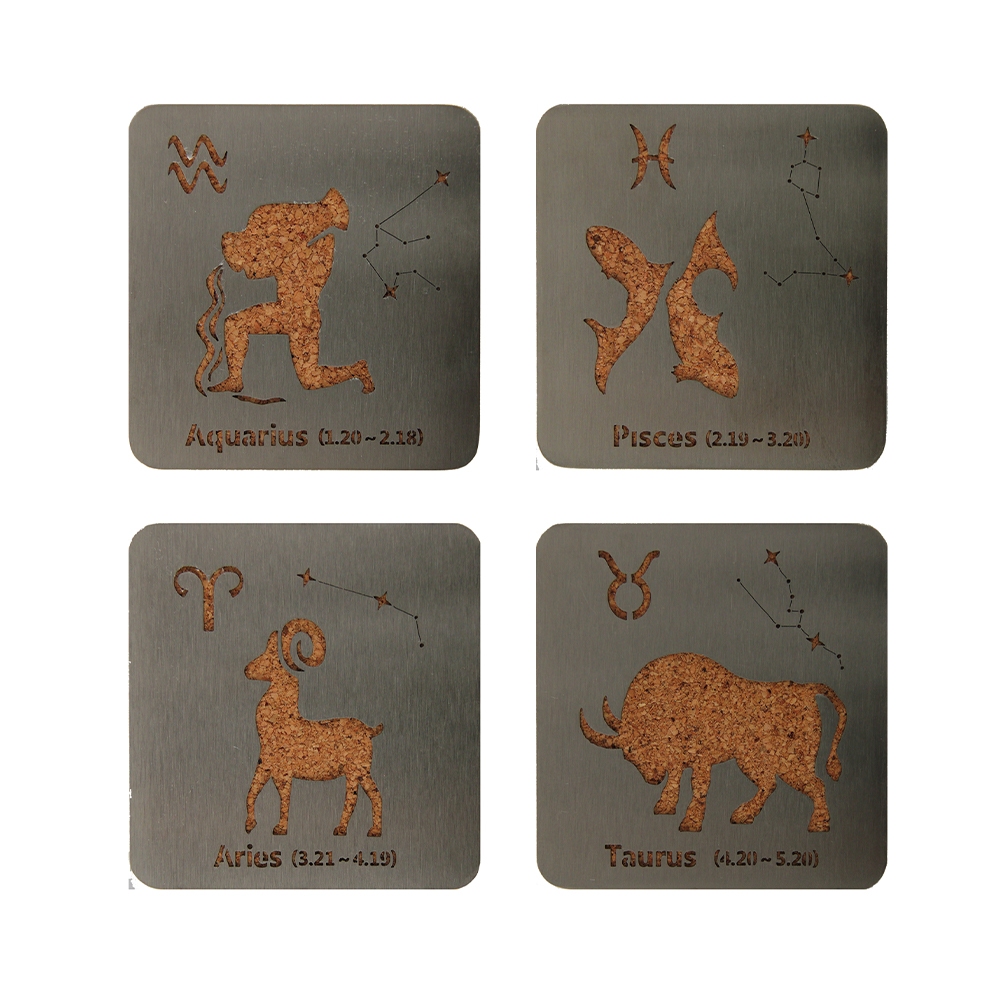


Comparing Stainless Steel Coasters with Silicone, Cork, and Ceramic Alternatives for Commercial Use
In commercial environments such as hotels, corporate offices, and food service facilities, coaster materials directly influence durability, maintenance needs, and functional performance. Stainless steel, silicone, cork, and ceramic are four commonly used materials, each offering different characteristics. When selecting coaster types for large scale procurement or custom manufacturing, understanding these material differences is essential. Jiaxing Reliable Machinery Co., Ltd. supports customers in developing coaster components and related accessories that meet specific commercial requirements.
1. Material Durability and Structural Stability
Stainless Steel
Stainless steel provides high structural strength and resistance to deformation. It withstands continuous use, mechanical impact, and temperature changes, making it suitable for high turnover commercial settings. Its smooth surface supports long service life.
Silicone
Silicone coasters are flexible and resistant to heat, but prolonged compression may cause slight deformation. They are better suited for environments with lightweight cups or casual dining.
Cork
Cork offers good tabletop protection but is susceptible to moisture absorption, wear, and surface erosion. It performs well in light duty commercial applications but has limited long term stability.
Ceramic
Ceramic provides a rigid structure and scratch resistance but may crack or chip upon impact. It is used mainly in decorative or low impact settings.
2. Hygiene and Cleaning Requirements
Stainless steel is the easiest to clean due to its smooth and non porous surface. Silicone is also washable but may retain odors. Cork absorbs liquids over time, requiring more frequent replacement. Ceramic is easy to wipe clean but may develop surface stains if not glazed properly.
3. Environmental and Temperature Resistance
Stainless steel maintains shape under both hot and cold conditions, suitable for coffee shops and restaurants. Silicone resists heat effectively but may degrade under prolonged UV exposure. Cork is sensitive to humidity changes, while ceramic tolerates heat but is brittle.
4. Commercial Use Adaptability
Different industries have different coaster performance priorities. The table below summarizes their characteristics for commercial procurement.
| Material | Durability | Hygiene Performance | Temperature Resistance | Maintenance Level |
|---|---|---|---|---|
| Stainless Steel | High | High | High | Low |
| Silicone | Medium | Medium | High | Medium |
| Cork | Low to Medium | Low | Medium | High |
| Ceramic | Medium | Medium | High | Medium |
5. Advantages of Custom Manufacturing with Jiaxing Reliable Machinery Co., Ltd.
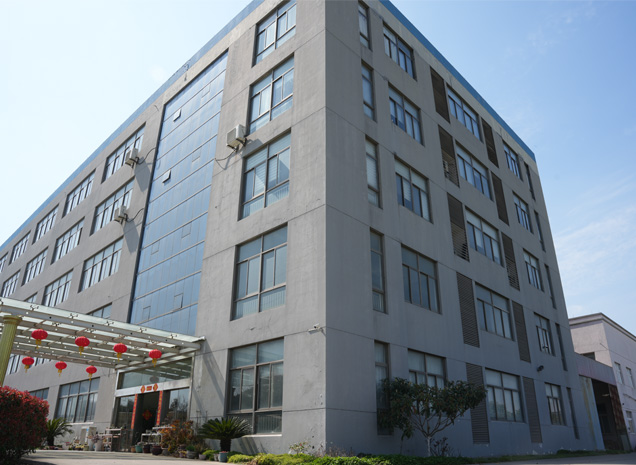
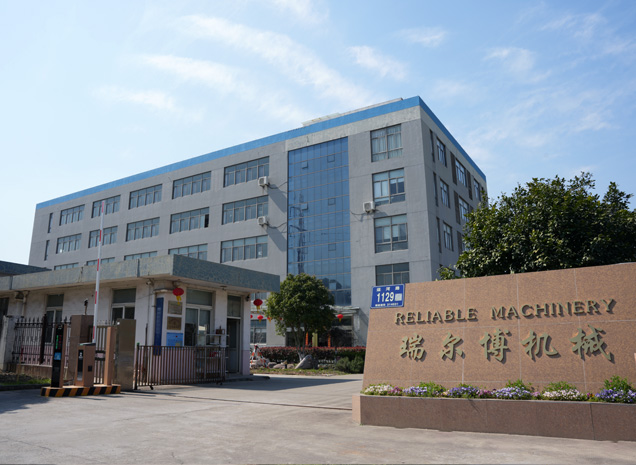
Jiaxing Reliable Machinery Co., Ltd. integrates modern production capabilities with automated equipment and advanced laser cutting technology. These strengths enable the company to support coaster related product development, accessory fabrication, and customized production solutions.
Key Capabilities
- Customized tooling, product design, and production line setup
- Automated processing for improved dimensional stability
- Flexible production strategies for large batch and specialized commercial orders
- Strong export experience to the United States and Europe
- Independent R and D for upgrading manufacturing precision and efficiency
Company Overview Parameters
| Company Name | Jiaxing Reliable Machinery Co., Ltd. |
|---|---|
| Established | September 2005 |
| Location | National High tech Zone of Xiuzhou District, Jiaxing City |
| Area | 11,426 square meters |
| Main Products | Outdoor leisure products, parts and accessories, industrial and agricultural tools |
| Export Markets | United States, Europe |
| Annual Export Volume | Approximately 5 million USD |
| Core Strengths | Advanced laser cutting, automated assembly lines, independent R and D, customized production |
Understanding the Material Properties of Stainless Steel Coasters in Modern Tableware Applications
Stainless steel coasters are widely used in household, commercial, and hospitality environments due to their stable material characteristics and broad application adaptability. Their performance is closely related to the inherent properties of stainless steel, including corrosion resistance, structural stability, surface hardness, and process compatibility.
1. Corrosion Resistance for Long-Term Use
Stainless steel contains chromium, which forms a passive oxide film on the surface when exposed to air. This film enhances resistance to water, beverages, and common cleaning chemicals. In tableware applications, this property allows coasters to withstand repeated contact with moisture and acidic or alkaline residues without significant deterioration.
2. High Structural Stability and Load Capacity
Stainless steel maintains its mechanical strength even under high-frequency use conditions. Coasters made from stainless steel resist deformation caused by cup weight, abrasion, or temperature fluctuations. This makes the material suitable for environments such as hotels, offices, and restaurants where tableware components experience continuous daily use.
3. Surface Hardness and Wear Resistance
The natural hardness of stainless steel reduces surface scratching compared with cork, wood, or plastic alternatives. Through additional surface treatments such as brushing, polishing, or coating, the material can achieve improved wear resistance, extending service life and helping maintain a clean, uniform appearance.
4. Hygiene and Cleanability
The smooth and non porous surface of stainless steel limits liquid absorption and makes cleaning more efficient. Coasters can be wiped or washed without retaining moisture, stains, or odors. This property supports hygienic requirements in food and beverage settings and simplifies routine maintenance.
5. Compatibility with Modern Manufacturing Processes
Stainless steel coasters can be produced through laser cutting, stamping, CNC machining, surface polishing, or PVD coating. These processes allow for precise shapes, consistent dimensions, and various design options. Manufacturers can also integrate rubber or silicone pads to improve tabletop protection and slip resistance.
FAQ About Stainless Steel Coasters
1. Do stainless steel coasters leave scratches on tabletops?
Most stainless steel coasters include EVA, rubber, felt, or silicone bases to minimize direct contact with the surface. These materials reduce friction and prevent scratches on wood, glass, or metal tables.
2. Are stainless steel coasters resistant to rust?
Stainless steel is resistant to corrosion due to its chromium rich passive layer. However, improper cleaning agents or long term exposure to corrosive substances may affect performance. Regular cleaning helps maintain stability.
3. Can stainless steel coasters withstand hot cups or mugs?
Yes. Stainless steel maintains dimensional stability under high temperatures and does not deform when in contact with hot beverages.
4. Are stainless steel coasters heavier than other materials?
They typically weigh more than cork or plastic coasters but less than stone or ceramic. The weight contributes to stability and reduces sliding during use.
5. What surface finishes are commonly used?
Common finishes include brushed, mirror polished, matte, and PVD coated surfaces. Each type provides different visual effects and abrasion characteristics.


 Add.
Add.
 Tel.
Tel.
 Email.

