

 English
  日本語
日本語 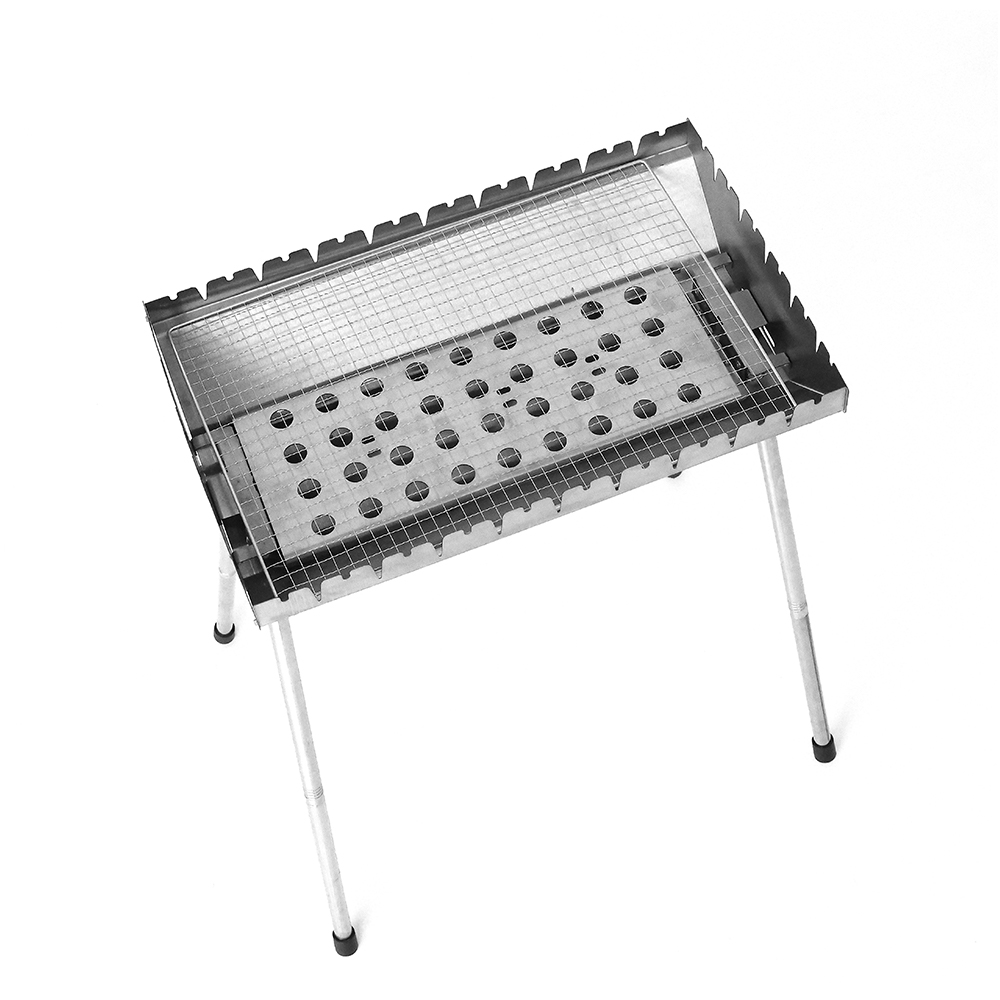


How durable is a Stainless Steel Widened Conventional Oven compared to standard ovens?
In modern kitchens and outdoor cooking setups, durability is a primary concern for buyers selecting a stainless steel widened conventional oven. The combination of structural strength, material quality, and practical design determines not only longevity but also the safety and efficiency of cooking. Unlike standard ovens, which often prioritize compact design over structural robustness, a stainless steel widened conventional oven emphasizes both durability and functionality, making it a preferred choice for both domestic and professional users.
Understanding the Construction of a Stainless Steel Widened Conventional Oven
One of the key aspects of the stainless steel widened conventional oven is its use of high-quality materials. Made predominantly of 304 stainless steel, the oven is inherently rust-resistant and capable of withstanding high temperatures over prolonged periods. This property ensures that even with frequent usage, the surface integrity and internal structure remain intact.
Another significant feature is the widened grill design. By providing a larger grilling area, the oven accommodates more food simultaneously, reducing cooking time while ensuring even heat distribution. The grill is also detachable, facilitating easy cleaning and maintenance. A stable, non-slip bracket enhances safety, especially when used with charcoal fire, which often involves variable heat sources. The even firepower provided by the design ensures consistent cooking results and prevents hotspots that could compromise both the food and the oven’s internal structure.
Comparing Durability: Widened vs. Standard Conventional Ovens
Durability in ovens can be assessed through multiple criteria: material strength, heat resistance, corrosion resistance, and mechanical stability. Standard conventional ovens, while sufficient for basic cooking, often employ thinner materials or components that can warp or degrade over time under high-temperature conditions.
| Feature | Stainless Steel Widened Conventional Oven | Standard Conventional Oven |
|---|---|---|
| Material | 304 stainless steel, rust-proof, high-temperature resistant | Varies; sometimes lower-grade steel or coated metals |
| Grill Size | Widened, accommodates more food, removable for cleaning | Standard, fixed, limited capacity |
| Stability | Non-slip bracket, suitable for charcoal fire | Typically less robust, may require additional support |
| Firepower Distribution | Even heat for large-scale cooking | May have uneven hotspots |
| Longevity | High, minimal maintenance required | Moderate, potential for warping and corrosion |
This comparison highlights the long-term durability advantage of a widened conventional oven, especially for buyers requiring frequent or large-scale cooking operations.
Heat Resistance and Corrosion Protection
High-temperature resistance is crucial for any oven intended for intensive use. A stainless steel widened conventional oven can endure sustained heat without structural deformation, which is particularly important for outdoor cooking or commercial use. The 304 stainless steel composition not only withstands high heat but also resists corrosion caused by exposure to moisture or acidic food substances.
The combination of rust-proof material and precise laser cutting ensures each component fits perfectly, enhancing both the mechanical integrity and the overall lifespan of the oven. Multiple quality inspections, including welding strength and surface treatment checks, guarantee consistency in performance and durability.
Practical Design Features for Longevity
Beyond material quality, design plays a critical role in durability. The detachable grill in a widened conventional oven allows users to clean components thoroughly, preventing food residue from causing long-term damage. Additionally, the stable, non-slip brackets reduce the risk of accidents that could compromise the oven’s structural integrity.
The widened structure also helps in even heat distribution, which is essential for reducing thermal stress. Uneven heat can cause warping, cracks, or premature degradation in standard ovens. By contrast, the widened grill design mitigates these risks, making the oven suitable for repeated, large-scale cooking sessions.
Production Excellence: How Manufacturing Impacts Durability
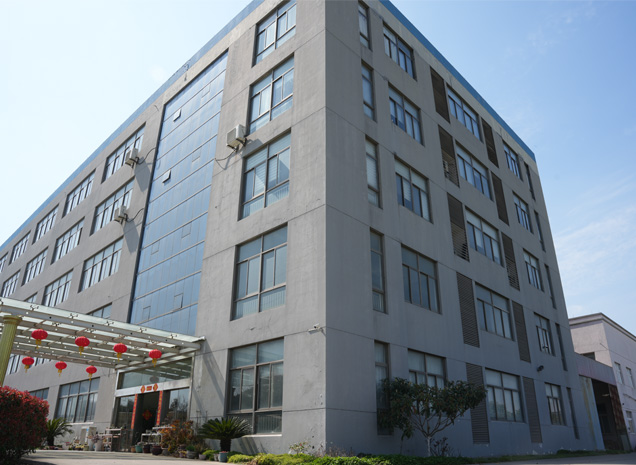
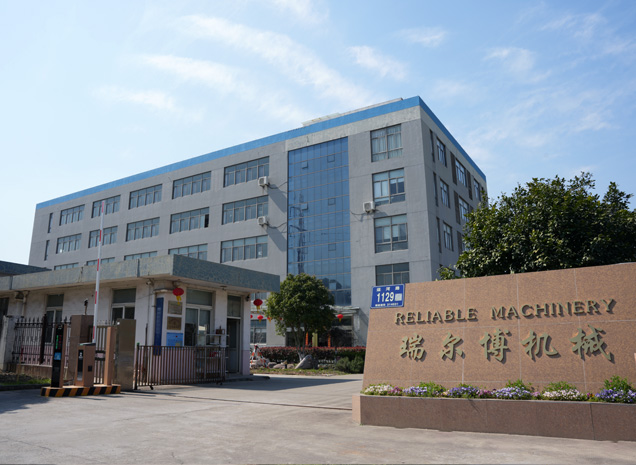
The durability of a stainless steel widened conventional oven is closely tied to the manufacturing process. Companies like Jiaxing Reliable Machinery Co., Ltd. emphasize modern infrastructure, advanced production lines, and precision equipment. Their use of laser cutting equipment ensures component accuracy with tolerances less than 1mm, while assembly lines optimize process efficiency.
Annual production capacities reaching 2 million units reflect a standardized and repeatable quality process. The focus on high-precision production, coupled with multiple inspections, ensures that each oven maintains consistent performance and durability. The integration of foldable designs further enhances portability without sacrificing robustness, demonstrating that functional innovation and structural reliability can coexist.
Application in Large Gatherings and Commercial Use
The stainless steel widened conventional oven is particularly suited for scenarios requiring durability under frequent and heavy use. Whether for family gatherings, outdoor events, or commercial kitchens, the widened design ensures that heat is evenly distributed across a larger surface, preventing overcooked or undercooked areas. Its sturdy build allows for continuous operation without compromising safety, which is often a limitation in standard conventional ovens.
Durable construction also means reduced maintenance and replacement costs, an important consideration for buyers in the hospitality and catering sectors. The combination of rust-proof materials, stable brackets, and detachable components makes this oven a long-term investment compared to standard alternatives.
Maintenance Practices to Maximize Lifespan
Even the most durable oven benefits from proper care. To maintain optimal performance:
- Clean the detachable grill regularly to prevent residue buildup.
- Inspect the non-slip brackets periodically to ensure stability.
- Avoid prolonged exposure to corrosive substances or harsh chemicals.
- Ensure even heating during operation to prevent thermal stress.
Adhering to these practices helps sustain the structural integrity of a stainless steel widened conventional oven, ensuring consistent performance and safety over time.
Market Recognition and Export Performance
Companies producing high-quality stainless steel widened conventional ovens have established strong market positions. Jiaxing Reliable Machinery Co., Ltd., for instance, exports to North America, Europe, and Australia, serving both individual consumers and commercial clients. Collaborations with well-known sports leagues illustrate the reliability and market confidence in the durability and performance of their products.
With annual export volumes of approximately 5 million USD, these ovens are recognized for quality, durability, and functional design, which reinforces buyer trust and preference compared to standard ovens.
Technological Innovations Supporting Durability
Technological advancements also enhance durability. Precision laser cutting ensures components are accurately fabricated, reducing stress points that could lead to failure. Independent R&D allows for continuous improvement, including the development of foldable, portable designs that maintain strength without sacrificing ease of use.
The combination of material science, engineering precision, and innovative design ensures that a stainless steel widened conventional oven offers superior durability over standard ovens, particularly in high-demand applications.
Conclusion
The durability of a stainless steel widened conventional oven stems from a combination of high-quality materials, practical design, advanced manufacturing processes, and careful quality control. Compared to standard ovens, it offers significant advantages in longevity, heat resistance, and structural integrity.
For buyers who require a reliable, long-lasting oven for domestic or commercial use, investing in a widened conventional oven made of 304 stainless steel ensures consistent performance, safety, and reduced maintenance over time. Its design caters to large gatherings and high-frequency usage while maintaining stability, heat distribution, and corrosion resistance, demonstrating why it is increasingly favored in both consumer and professional markets.
FAQs
Q1: What makes a stainless steel widened conventional oven more durable than a standard oven?
A: It uses high-quality 304 stainless steel, has a widened grill for even heat distribution, and includes stable, non-slip brackets, making it resistant to warping, rust, and mechanical stress.
Q2: Can a widened conventional oven handle frequent large-scale cooking?
A: Yes, the design supports high-temperature cooking, even firepower, and easy maintenance, making it ideal for repeated, heavy-duty use.
Q3: How should I maintain my stainless steel widened conventional oven to ensure long lifespan?
A: Regular cleaning of the detachable grill, checking the stability of brackets, and avoiding harsh chemicals will help maintain its performance.
Q4: Are these ovens suitable for commercial use?
A: Absolutely. With durable construction, wide grilling area, and heat-resistant materials, they are suitable for outdoor events, catering, and commercial kitchens.
Q5: Does the oven require special care for rust prevention?
A: Minimal care is needed due to the 304 stainless steel composition, but cleaning and drying after use will further extend durability.


 Add.
Add.
 Tel.
Tel.
 Email.

