

 English
  日本語
日本語 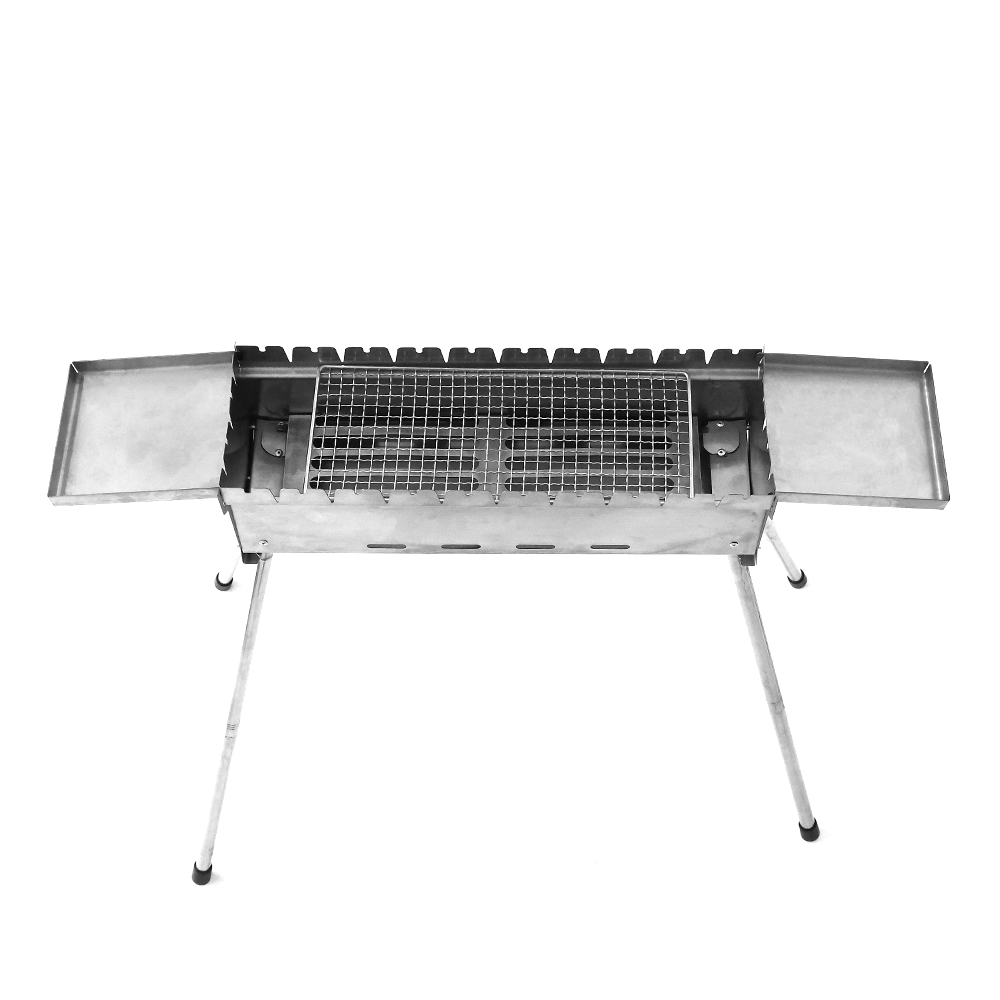


How does a Stainless Steel Rectangular Conventional Oven differ from a convection oven?
When it comes to outdoor cooking and versatile baking solutions, understanding the differences between a stainless steel rectangular conventional oven and a convection oven is essential for both commercial buyers and household users. Conventional ovens have been a staple in kitchens and outdoor cooking areas for decades due to their reliable heating and even cooking performance, while convection ovens, equipped with fans, are designed to circulate hot air for faster and more uniform cooking.
Overview of a stainless steel rectangular conventional oven
A stainless steel rectangular conventional oven is characterized by its rectangular structure, which allows for a large cooking capacity suitable for family gatherings or multi-person events. The design prioritizes practicality and durability. Made from high-quality 304 stainless steel, these ovens are rust-proof and corrosion-resistant, ensuring longevity even under frequent exposure to heat and outdoor environments.
The material selection plays a crucial role in maintaining structural integrity at high temperatures, while the rectangular shape enables uniform heat distribution from the top, bottom, or sides depending on the oven’s configuration. The grill component is detachable, making cleaning and maintenance straightforward, while the non-slip bracket design enhances safety during cooking.
Compared to convection ovens, which rely on a circulating fan system to move hot air around the food, conventional ovens heat food primarily through radiant heat and natural air circulation. This approach provides a more gradual cooking process, allowing for controlled browning and texture formation, particularly in baked goods and roasted meats.
Construction and material benefits
The quality of a stainless steel rectangular conventional oven begins with its material and manufacturing process. The use of 304 stainless steel not only ensures resistance to corrosion but also guarantees a stable structure that can withstand repeated thermal expansion and contraction without warping. The laser cutting technology used in production ensures component accuracy below 1mm, which is crucial for seamless assembly and consistent heat performance.
Welding strength, heat resistance, and surface treatment inspections ensure the oven maintains high durability over time. In comparison, convection ovens, particularly those with less robust materials, may experience uneven heating or component degradation if not maintained carefully.
The rectangular design contributes to larger internal volume and efficient use of space, which is ideal for cooking multiple items simultaneously. Convection ovens, while often compact and faster in heat transfer, can be limited in accommodating large quantities or bulky food items due to the fan and air circulation design.
Heating mechanism differences
One of the most significant differences between a stainless steel rectangular conventional oven and a convection oven is the heating mechanism. Conventional ovens rely on static heat generated from elements located at the top and bottom of the oven. Heat rises naturally, creating a stable cooking environment where foods cook gradually and evenly, provided the oven is preheated correctly.
| Feature | Stainless Steel Rectangular Conventional Oven | Convection Oven |
|---|---|---|
| Heating type | Radiant heat, natural air circulation | Radiant + fan-assisted circulating air |
| Cooking speed | Moderate | Faster due to air circulation |
| Browning effect | Gradual, ideal for crisp textures | Can brown faster, sometimes uneven on multi-rack baking |
| Energy efficiency | Moderate | Slightly higher efficiency due to air circulation |
The slow, stable heat of conventional ovens is particularly suited for dishes requiring precise temperature control, such as roasting meats, baking bread, or preparing casseroles. Convection ovens, while faster, may require adjusting recipes or cooking times to prevent over-browning or uneven textures.
Applications in outdoor and industrial contexts
Due to its durable materials and large capacity, the stainless steel rectangular conventional oven is widely used in outdoor leisure activities, restaurants, and industrial catering applications. The oven’s high temperature and corrosion resistance make it suitable for repeated use in environments where charcoal or other open heat sources are utilized.
Its detachable grill and non-slip brackets also enhance safety and convenience, enabling cooks to switch between cooking methods, clean parts easily, and maintain hygienic standards. For families or catering services, this means preparing larger meals without compromising quality or safety.
Production and quality assurance
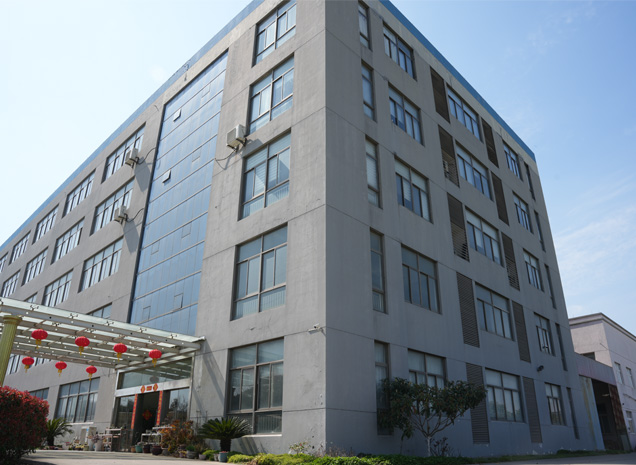
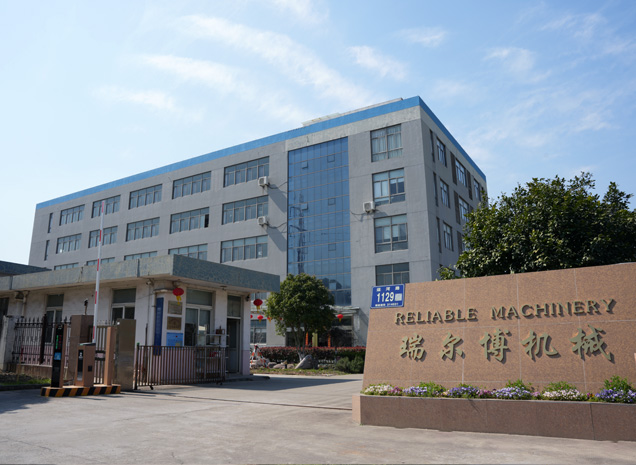
Leading manufacturers, such as Jiaxing Reliable Machinery Co., Ltd., have established comprehensive production systems for stainless steel rectangular conventional ovens. Their modern production plants are equipped with advanced laser cutting machines, automated assembly lines, and precision inspection systems, ensuring high product consistency.
The company’s approach emphasizes scientific and technological innovation, with a professional R&D team capable of customizing production lines and designing products according to client requirements. This allows for high-volume production—up to 2 million units annually—without compromising quality. Each unit undergoes multiple quality inspections for welding strength, heat resistance, and surface finish, which guarantees long-term durability and customer satisfaction.
Comparative advantages for buyers
From a buyer’s perspective, the stainless steel rectangular conventional oven offers several advantages over a standard convection oven:
- Durability and material integrity: With 304 stainless steel construction, it withstands high heat and environmental exposure better than typical aluminum or thin-metal convection ovens.
- Capacity and design: The rectangular structure maximizes cooking space and accommodates larger quantities, making it ideal for family barbecues and multi-person gatherings.
- Maintenance and cleaning: Detachable grills and smooth surfaces facilitate easy cleaning, which is crucial for frequent use.
- Safety features: Non-slip brackets and sturdy construction reduce risks during outdoor cooking.
- Customizable production: Buyers can request tailored dimensions or features according to their specific operational or personal needs.
Energy consumption and efficiency
While convection ovens are often praised for faster cooking times due to forced air circulation, the stainless steel rectangular conventional oven maintains efficient energy use by retaining heat effectively in its well-insulated stainless steel body. For long cooking sessions, such as slow roasting or baking large dishes, this stability can reduce the risk of undercooked or unevenly cooked food.
The large internal volume also allows for cooking multiple trays or items simultaneously without compromising the cooking quality, a common limitation in smaller convection models.
Versatility and practical use
The stainless steel rectangular conventional oven is designed for versatility. It can operate using charcoal, wood, or gas heating methods, depending on the configuration. The rectangular shape and removable grill make it adaptable to various cooking tasks—from roasting meats to baking pastries or grilling vegetables.
Unlike convection ovens, which are primarily suited for indoor, electricity-based cooking, conventional ovens provide flexible energy sources, making them particularly advantageous in outdoor or industrial settings where power supply may vary.
Market relevance and demand
The stainless steel rectangular conventional oven is increasingly popular in regions such as North America, Europe, and Australia, where outdoor leisure cooking has become a standard part of social gatherings. Manufacturers who prioritize quality, precision, and customization are able to meet the export demand, providing products that align with both professional culinary needs and family-oriented outdoor activities.
Summary of key differences
| Aspect | Stainless Steel Rectangular Conventional Oven | Convection Oven |
|---|---|---|
| Material | High-quality 304 stainless steel | Typically aluminum or mixed metals |
| Heating method | Radiant, static heat | Radiant + fan-forced circulation |
| Capacity | Large, suitable for multiple trays | Moderate, optimized for small batches |
| Cleaning | Detachable grill, easy maintenance | Usually fixed racks, more effort |
| Outdoor suitability | Excellent, durable, versatile | Limited, mostly indoor use |
| Cooking texture | Gradual, even browning | Faster, may require recipe adjustment |
Conclusion
Understanding the differences between a stainless steel rectangular conventional oven and a convection oven allows buyers to make informed decisions based on their cooking style, capacity requirements, and operational environment. Conventional ovens excel in durability, large-capacity cooking, and outdoor applications, whereas convection ovens provide faster cooking times and indoor efficiency.
For those seeking a reliable, versatile, and long-lasting cooking solution, particularly for family barbecues, catering, or industrial use, the stainless steel rectangular conventional oven remains a preferred choice.
FAQs
Q1: Can a stainless steel rectangular conventional oven be used for indoor cooking?
A1: While primarily designed for outdoor use, some models can be adapted for indoor settings with proper ventilation and safety precautions.
Q2: How do I clean the detachable grill?
A2: Remove the grill, soak in warm soapy water, scrub lightly with a non-abrasive brush, rinse, and dry thoroughly.
Q3: Is the oven compatible with charcoal and gas?
A3: Yes, depending on the specific configuration, the oven supports multiple heating sources including charcoal and gas.
Q4: What maintenance is required to prevent rusting?
A4: Regular cleaning, drying after use, and avoiding prolonged exposure to moisture will maintain the stainless steel surface.
Q5: Can I request a customized size or feature?
A5: Manufacturers like Jiaxing Reliable Machinery Co., Ltd. offer OEM/ODM services to provide customized designs according to buyer requirements.


 Add.
Add.
 Tel.
Tel.
 Email.

