

 English
  日本語
日本語 Outdoor Rectangular BBQ Grill vs. Round Grill: Which Is Right for You?
Introduction
When it comes to outdoor cooking, choosing the right grill is essential to elevate your culinary experience. Two of the most popular grill designs are the outdoor conventional rectangular BBQ grill and the round BBQ grill. Both offer unique benefits, and the choice often comes down to your grilling preferences and needs. This guide will help you compare these two types of grills and determine which one is best for you.
Understanding the Basics
Before diving into the specifics of each type of grill, let’s briefly define the two designs:
-
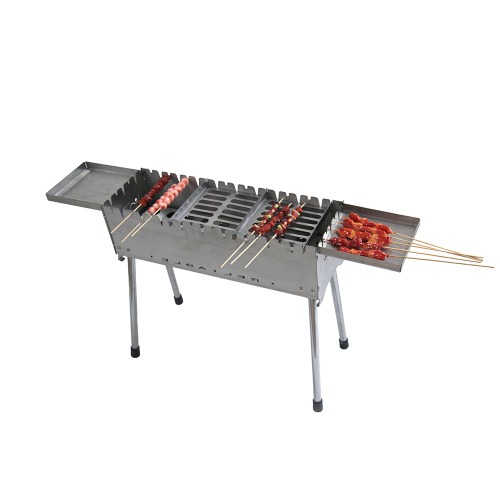
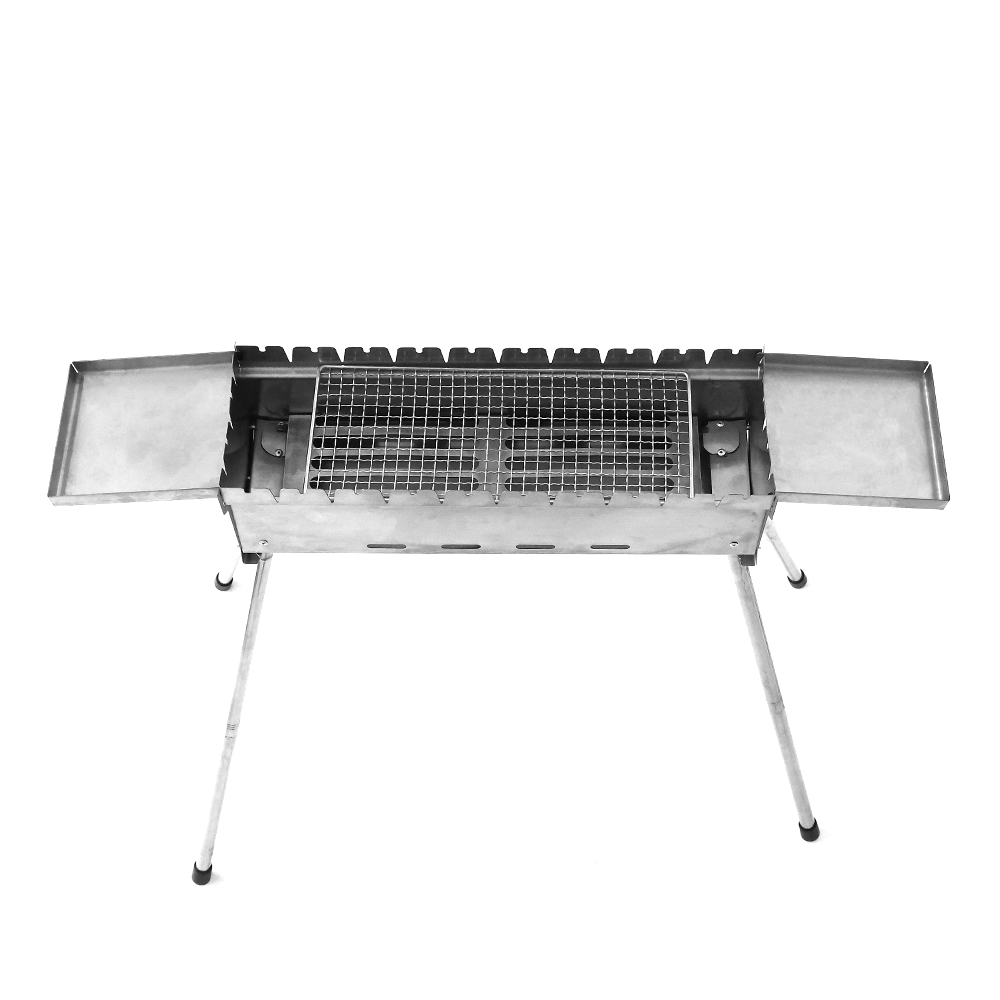
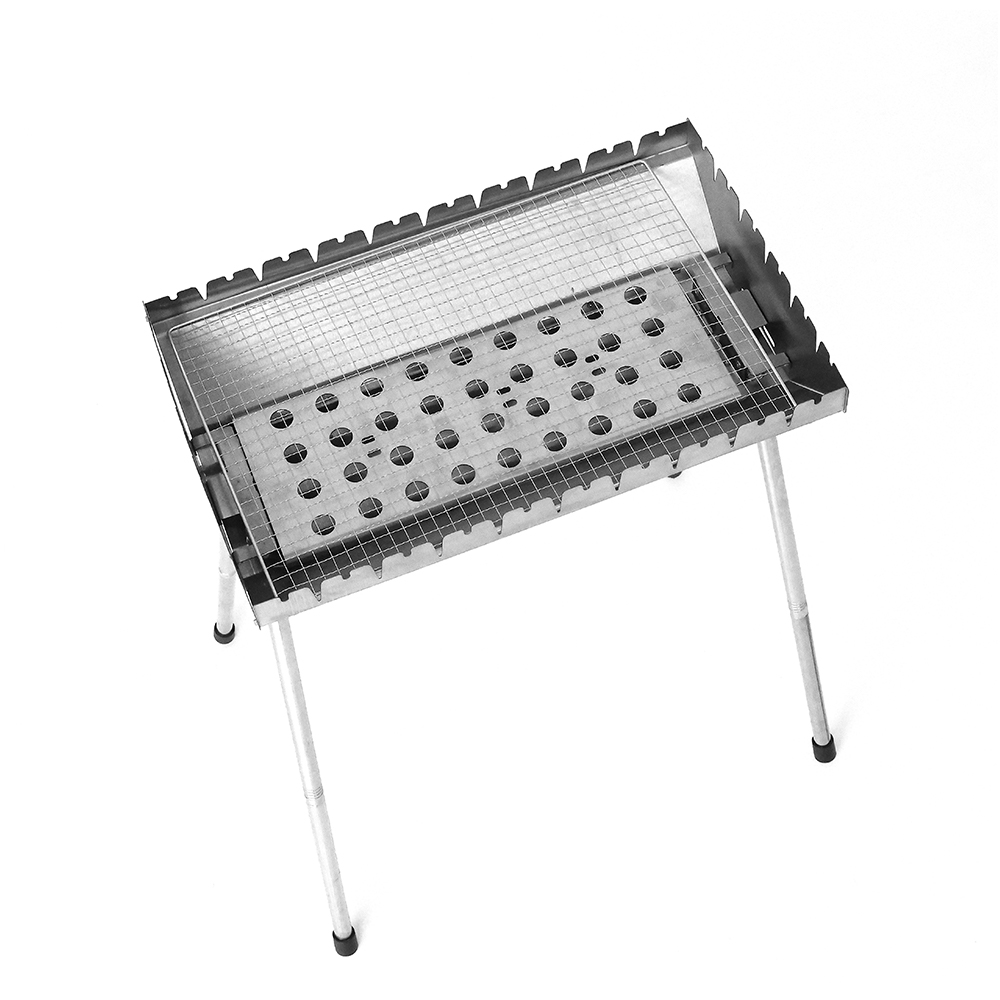
Outdoor Conventional Rectangular BBQ Grill: This type of grill is known for its long, flat cooking surface, providing ample space for grilling multiple items at once. Rectangular grills are often favored for their practicality, especially when cooking for a larger group.
-
Round Grill: Round BBQ grills, commonly referred to as kettle grills, have a more compact design with a dome-shaped lid. These are perfect for those who prefer a classic grilling experience with a focus on simplicity and easy portability.
Cooking Surface and Capacity
One of the primary differences between the two types of grills is their cooking surface area.
-
Rectangular BBQ Grills: These grills typically provide more cooking space, with longer and wider surfaces. This makes them ideal for grilling a variety of foods simultaneously—whether it’s meats, vegetables, or even larger cuts like ribs or whole chickens.
-
Round BBQ Grills: While round grills may have a smaller surface, they still provide ample space for grilling, especially for smaller groups. The circular design helps to evenly distribute heat, ensuring that your food cooks uniformly.
Grilling Capacity Comparison
| Grill Type | Cooking Surface Area | Ideal for Grilling | Best for Group Size |
|---|---|---|---|
| Outdoor Conventional Rectangular BBQ Grill | Larger (varies by model) | Large cuts, multiple items | Large groups (4+ people) |
| Round BBQ Grill | Moderate (usually 18-24 inches in diameter) | Small cuts, burgers, hot dogs | Small to medium groups (2-4 people) |
Heat Distribution and Cooking Style
The heat distribution of a grill plays a crucial role in how food cooks. Here’s how the two designs compare:
-
Rectangular BBQ Grills: The longer surface area of these grills allows for more flexibility in heat distribution. Most models offer multiple burners, giving you the ability to control different heat zones for indirect and direct cooking. This feature is perfect for cooking different types of food at varying temperatures.
-
Round BBQ Grills: Round grills rely on the heat coming from a single source (usually one or two burners). The shape of the grill creates a convection effect, where hot air circulates around the food. This indirect heat distribution is ideal for slow cooking and smoking, which gives your food that classic grilled flavor.
Portability and Storage
Portability is a key factor for outdoor enthusiasts who want to take their BBQ grill on the go.
-
Rectangular BBQ Grills: While rectangular grills often provide more cooking space, they can be bulkier and heavier. This makes them less portable and better suited for permanent outdoor setups like backyards or patios.
-
Round BBQ Grills: These grills are typically smaller and more portable. Their compact size makes them easier to transport for tailgating, camping, or picnicking. Additionally, their dome-shaped lid is often removable, allowing for easier storage.
Versatility and Features
Both grill types come with unique features and accessories, offering varying levels of versatility.
-
Rectangular BBQ Grills: Many rectangular grills are equipped with additional features such as side burners, warming racks, and storage cabinets. These features provide convenience and allow for more complex cooking techniques such as searing or keeping food warm. Some models also include built-in rotisseries for cooking large pieces of meat.
-
Round BBQ Grills: Though generally simpler in design, round grills can still be versatile. Some models come with adjustable vents, temperature gauges, and rotisserie attachments, making them suitable for both grilling and smoking. However, they tend to focus more on direct heat grilling.
Price and Maintenance
When it comes to cost and maintenance, both grill types offer different considerations:
-
Rectangular BBQ Grills: Due to their larger size and additional features, rectangular BBQ grills are often more expensive. They also require more maintenance because of their multiple components (e.g., burners, racks, etc.). Cleaning may be more involved as well.
-
Round BBQ Grills: Round grills are generally more affordable and require less maintenance. Their simpler design means fewer parts to clean and repair. Additionally, the absence of multiple burners makes them easier to use and maintain.
Conclusion
The decision between an outdoor conventional rectangular BBQ grill and a round grill ultimately depends on your cooking needs, budget, and preferences.
- If you often entertain large groups and need ample cooking space, a rectangular BBQ grill is the way to go. The added features and flexibility in cooking make it perfect for cooking a wide variety of foods.
- On the other hand, if you’re looking for a portable, easy-to-use grill that excels in smoking and slow cooking, a round BBQ grill could be your best option.
Consider your typical grilling scenarios, the number of people you cook for, and the space available for your grill. By doing so, you can choose the grill that best suits your lifestyle.
FAQ
1. Which grill type is better for large gatherings?
An outdoor conventional rectangular BBQ grill is better suited for large gatherings because of its expansive cooking surface.
2. Can a round grill be used for indirect cooking?
Yes, round grills are perfect for indirect cooking due to their dome lid that circulates heat, ideal for slow cooking and smoking.
3. Are rectangular BBQ grills more expensive?
Yes, rectangular BBQ grills typically come with more features, which can make them pricier compared to round grills.
4. Which grill is easier to maintain?
Round BBQ grills are generally easier to maintain due to their simpler design and fewer parts.
5. Can I take a round grill camping?
Yes, round grills are compact and portable, making them ideal for camping, tailgating, and other outdoor activities.
Contact Us

-
No.1129 Yunhe Road, Xiuzhou Industrial Garden, China
 Add.
Add.
-
+86-573-82795217 / +86-13957311130
 Tel.
Tel.
-
[email protected]
 Email.
Follow us.

