

 English
  日本語
日本語 What Materials Are Best for Durable and Long-Lasting BBQ Tools?
Barbecue grilling has evolved from a casual backyard activity into a culinary ritual that demands high-quality equipment. Among the essential items for any barbecue enthusiast, barbecue grilling tool sets play a pivotal role in ensuring efficiency, safety, and longevity. The materials used in these tools directly impact their performance, durability, and maintenance requirements.
The Importance of Material Selection in BBQ Tools
Choosing the right material for barbecue grilling tool sets is crucial. Tools are exposed to extreme temperatures, grease, smoke, and moisture. A substandard material can warp, rust, or degrade quickly, affecting both performance and food safety. Therefore, understanding the characteristics of various materials can help in making informed purchasing decisions.
Stainless Steel: The Industry Standard
Stainless steel is the most widely used material for premium barbecue tools. Its popularity stems from its exceptional resistance to rust, corrosion, and high temperatures. Stainless steel tools maintain structural integrity even under repeated exposure to heat and moisture.
Advantages of Stainless Steel:
- Corrosion-resistant and easy to clean
- Can handle high temperatures without warping
- Provides a professional aesthetic
- Strong and durable for long-term use
Considerations:
- Heavier than aluminum or certain alloys
- May become hot to the touch during extended grilling sessions
Aluminum: Lightweight and Corrosion-Resistant
Aluminum is often used for handles or lightweight barbecue tools. While it is not as strong as stainless steel, its corrosion resistance and low weight make it appealing for portable or travel-friendly grilling tool sets.
Advantages of Aluminum:
- Lightweight for ease of handling
- Naturally resistant to rust and corrosion
- Cost-effective option for tool construction
Considerations:
- Less durable under high heat or heavy use
- Can bend or dent under pressure
Wood Handles: Classic Comfort
Wood has long been used for barbecue tool handles due to its natural insulating properties. A well-finished wooden handle protects the user from heat while providing a comfortable grip. Hardwood species, such as oak or walnut, are preferred for durability.
Advantages of Wood Handles:
- Heat-insulating properties
- Comfortable, ergonomic grip
- Aesthetic appeal and traditional look
Considerations:
- Requires proper maintenance to prevent cracking or splintering
- Susceptible to moisture damage if not treated
Silicone: Modern Heat Resistance
Silicone is increasingly used for grips and tool tips due to its heat resistance and non-slip qualities. Silicone-coated handles or tongs can prevent burns and provide a secure grip even in greasy conditions.
Advantages of Silicone:
- High heat tolerance
- Non-slip, comfortable grip
- Easy to clean and maintain
Considerations:
- Less rigid than metal, so may deform under heavy pressure
- Not ideal for parts that require cutting or scraping
Material Combinations for Optimal Performance
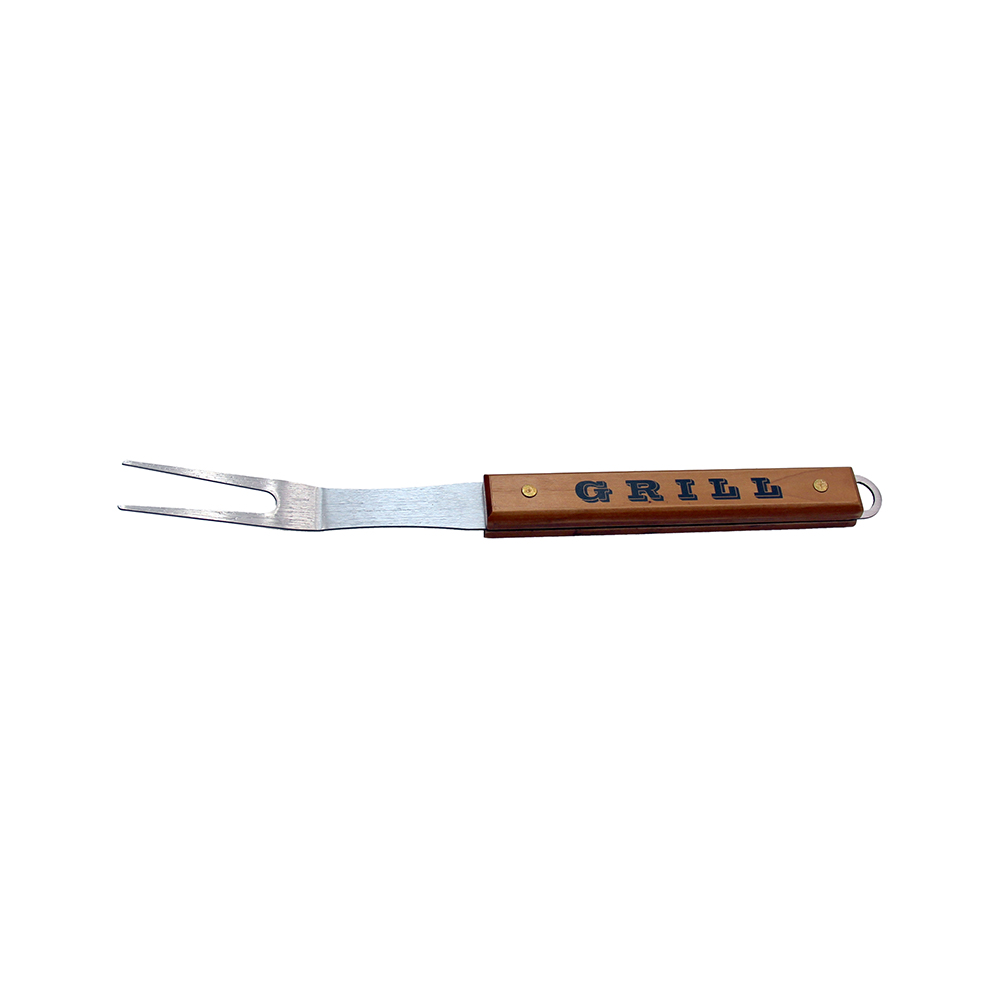
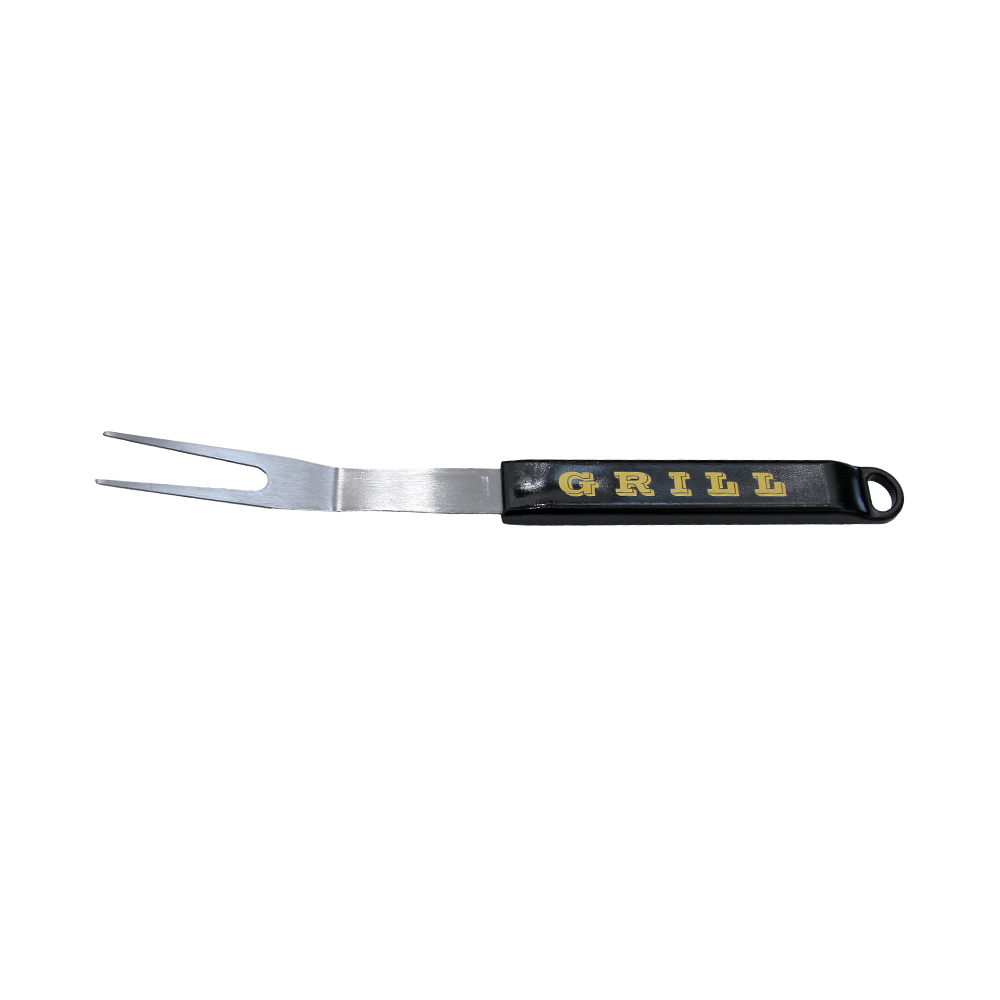
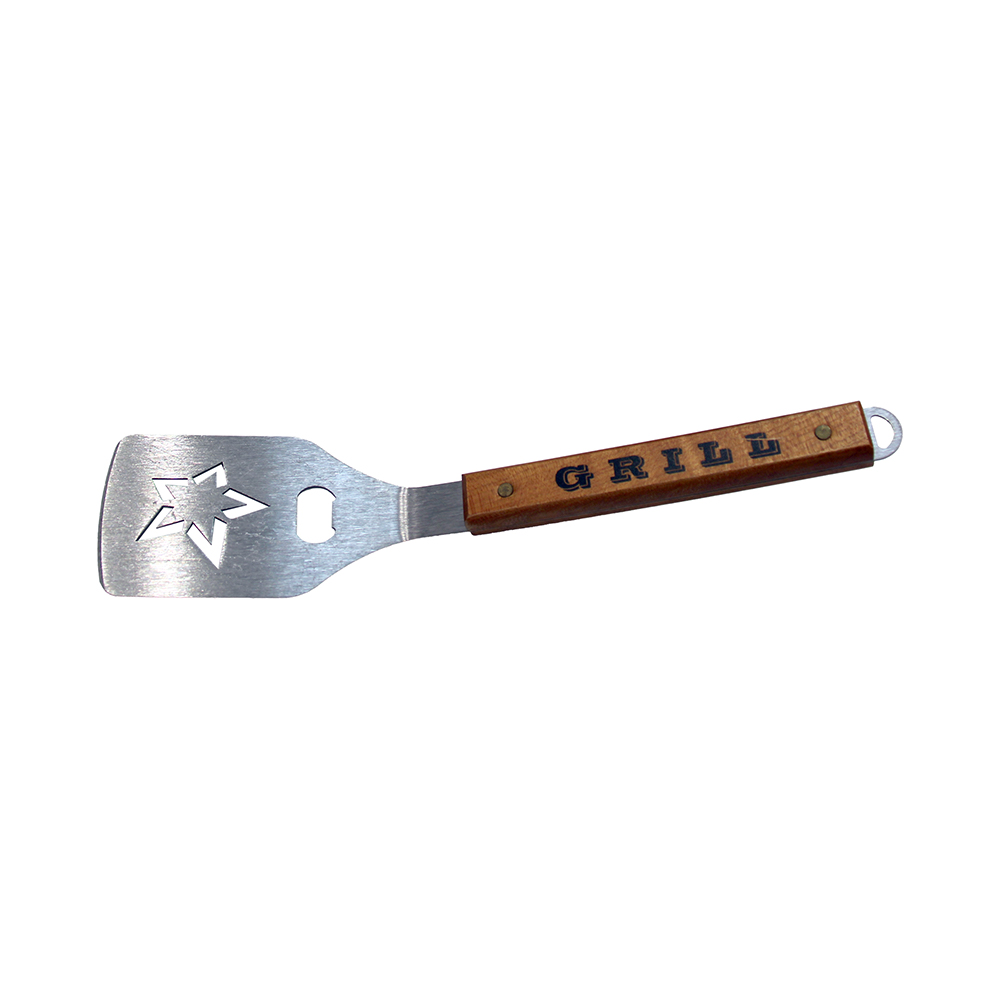
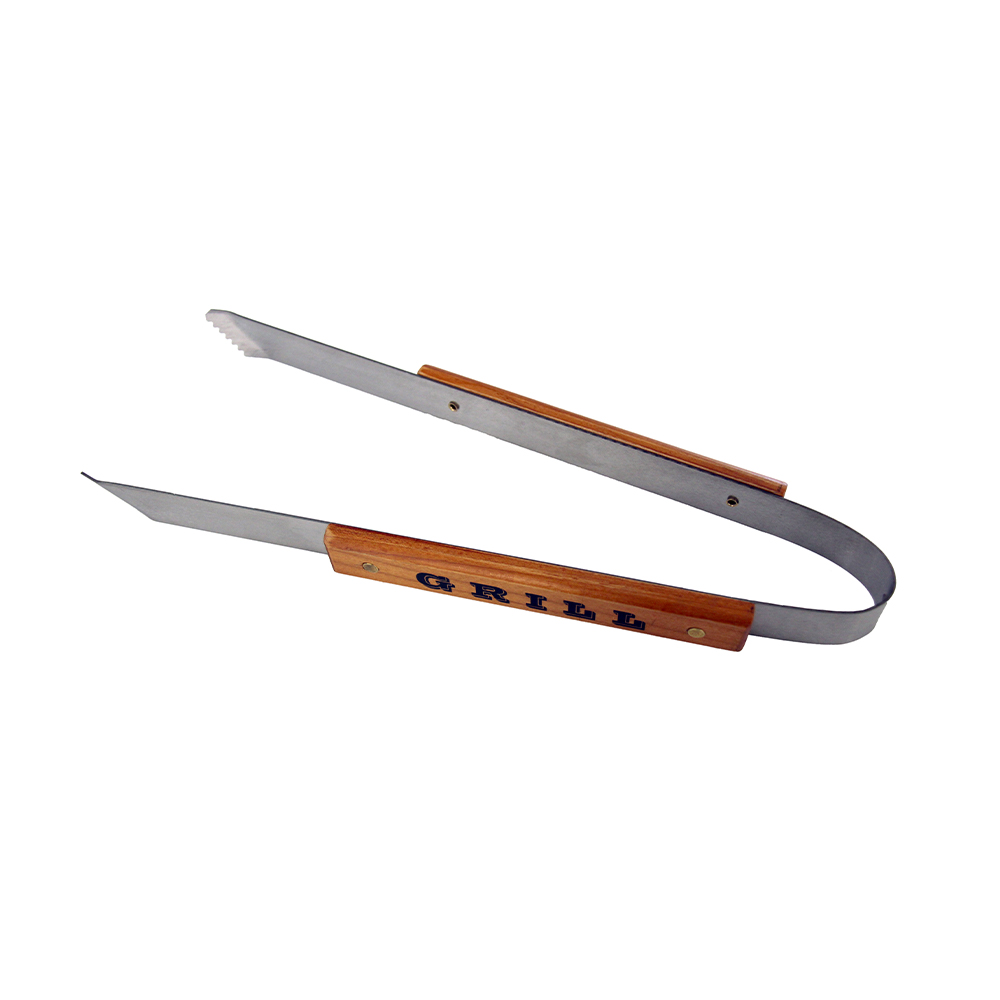
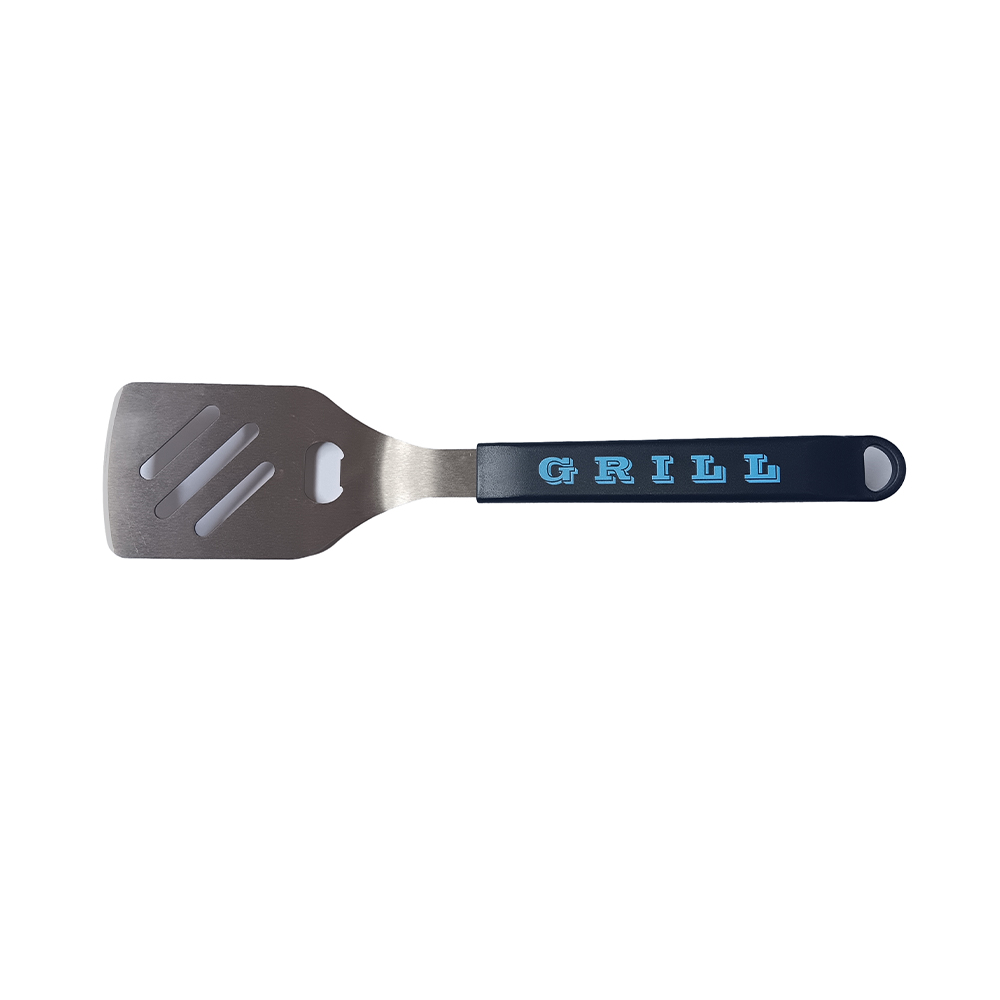
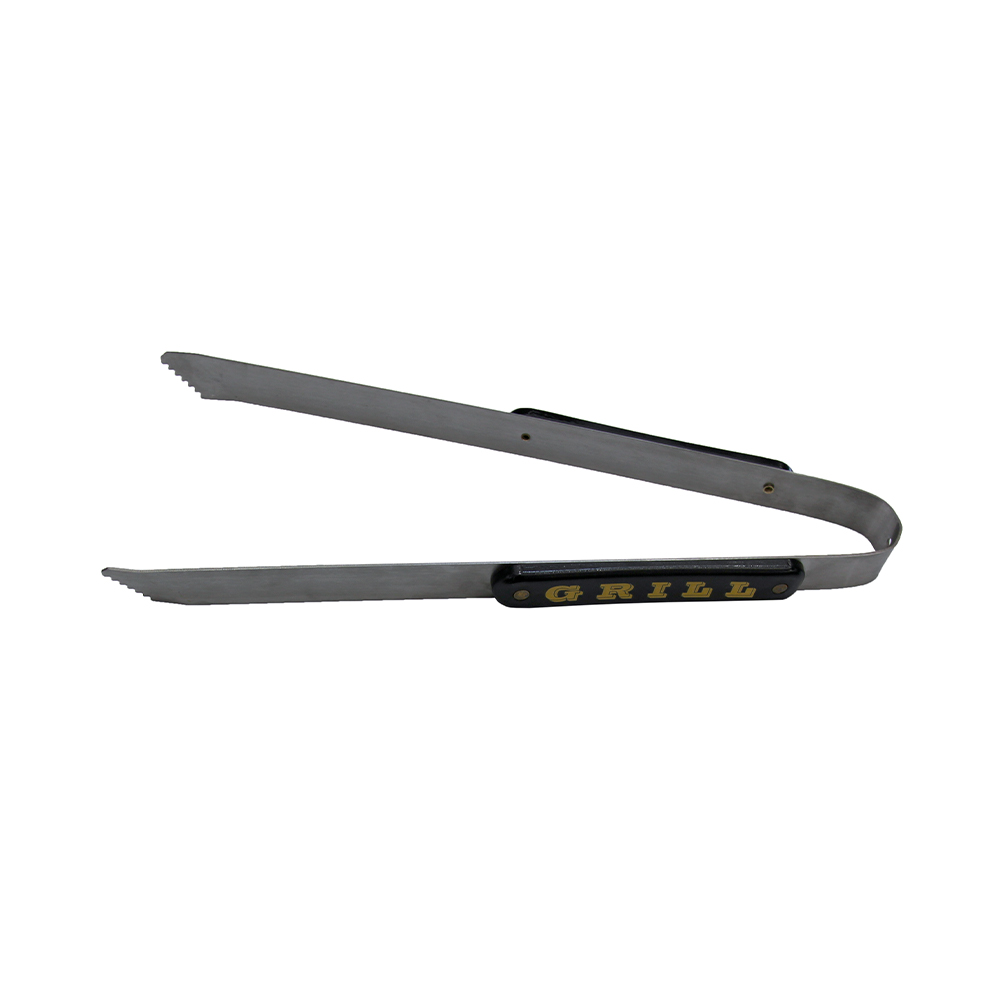
Many high-quality barbecue grilling tool sets combine materials to maximize durability, comfort, and usability. For example, a stainless steel spatula with a wooden or silicone handle can offer both heat resistance and ergonomic comfort. Understanding the interplay of materials is key to selecting tools that last.
| Component | Recommended Material | Benefits | Considerations |
|---|---|---|---|
| Tool Head | Stainless Steel | Rust-resistant, strong, heat-tolerant | Heavier than other metals |
| Handle | Wood | Heat-insulating, comfortable grip | Requires maintenance, moisture-sensitive |
| Handle | Silicone | Non-slip, heat-resistant | Can deform under high pressure |
| Lightweight Tools | Aluminum | Easy to handle, rust-resistant | Less durable under heavy use |
This table illustrates the balance between durability, comfort, and functionality, highlighting why material choice matters in professional-grade and home barbecue settings alike.
Maintenance and Longevity Considerations
Even the most durable barbecue tools require proper care to maintain performance. Stainless steel should be washed and dried promptly to prevent staining. Wooden handles benefit from occasional oiling to prevent drying and cracking. Silicone components should be inspected regularly for signs of wear or warping. Routine maintenance extends the life of barbecue grilling tool sets and preserves their functionality over years of use.
Cleaning Practices
Proper cleaning practices are essential for the longevity of barbecue tools:
Avoid prolonged soaking, especially with wood handles.
Use mild detergents for metal and silicone components.
Dry tools completely to prevent corrosion.
Store in a dry environment to maintain material integrity.
Conclusion
Selecting durable and long-lasting materials for barbecue grilling tool sets is crucial for performance, safety, and longevity. Stainless steel remains the industry benchmark for tool heads, while wood and silicone enhance comfort and heat resistance for handles. Aluminum provides a lightweight option for portable or casual use. Combining these materials intelligently results in versatile, resilient, and user-friendly tools that elevate the barbecue experience. Proper maintenance further ensures that these tools remain reliable over time. By understanding the strengths and limitations of each material, enthusiasts can invest in tools that withstand the rigors of grilling while enhancing both safety and efficiency.
FAQ
Q1: Can wooden handles be used safely near high heat?
Yes, properly treated hardwood handles provide heat insulation and a comfortable grip, though they should not be left exposed to open flames.
Q2: How do I maintain silicone-coated tools?
Silicone-coated tools should be washed with mild soap, inspected for wear, and stored in a dry area to prevent deformation.
Q3: Are aluminum tools suitable for heavy-duty grilling?
Aluminum is lightweight and rust-resistant but is less durable under heavy or prolonged use compared to stainless steel.
Q4: What combination of materials is best for versatile barbecue tool sets?
A combination of stainless steel for tool heads and wood or silicone for handles balances durability, heat resistance, and ergonomic comfort.
Contact Us

-
No.1129 Yunhe Road, Xiuzhou Industrial Garden, China
 Add.
Add.
-
+86-573-82795217 / +86-13957311130
 Tel.
Tel.
-
[email protected]
 Email.
Follow us.

