

 English
  日本語
日本語 Direct Answer – The Smartest Choice for Your Backyard
To select the perfect outdoor BBQ grill, start with your cooking habits: gas grills deliver unmatched convenience and precise temperature control (ideal for frequent weeknight cooking). Charcoal grills provide authentic smoky flavor and high-heat searing (up to 700°F). For small patios, RVs, or tailgating, a portable BBQ grill under 25 lbs with foldable legs is best. Prioritize 304 stainless steel components and cast iron cooking grates for longevity. A cooking area of 400–600 sq. in. comfortably serves 4–6 people. By matching fuel type, durable materials, and portability, you’ll invest in a grill that performs for years — whether from a premium manufacturer or a specialized outdoor brand.
1. Core Decision Factors That Define Your Grill
Before browsing models, focus on the four pillars that determine long-term satisfaction: fuel type, cooking surface, build quality, and mobility. Data shows that 72% of backyard chefs prioritize ease of ignition and consistent heat over other features. Here’s a breakdown with actionable thresholds:
- Primary fuel source: Gas (propane/natural gas) – start time under 10 seconds; Charcoal – requires 15–20 min for coal prep but adds smoky depth.
- Cooking capacity rule: For families of 2–3 → 250–350 sq. in.; 4–6 people → 400–600 sq. in.; large parties (6+) → 700+ sq. in. plus a warming rack.
- Material durability: Grates made of porcelain-enameled cast iron retain heat 30% longer than standard steel. 304 stainless steel (18/8 chromium-nickel) resists corrosion 2x more effectively than 430 grade.
- Portability needs: If you move the grill more than twice a month, look for models under 22 kg (48 lbs) with locking casters and foldable side shelves.
Choosing based on these four metrics eliminates guesswork. A well-balanced outdoor BBQ grill will serve you for 8–12 seasons with proper care.
2. Fuel Type Deep Dive: Gas, Charcoal, Electric & Portable Hybrids
Each fuel type offers distinct advantages. Review the table below to match your cooking style. Note that modern outdoor portable BBQ grills often use small propane canisters or compact charcoal baskets for lightweight versatility.
| Fuel Type | Best For | Heat Output / Data | Key Consideration |
|---|---|---|---|
| Propane / Natural Gas | Quick weeknight meals, precise temp control, large backyards | BTU range: 30,000–50,000 for 3–4 burners; preheat in 5–7 min | Requires gas line or tank refill; high initial convenience |
| Charcoal | Smoky flavor, high-heat searing, traditional BBQ experience | Reaches 650–700°F; adjustable vents control airflow | Longer cleanup (ash management) and longer preheat time |
| Electric | Balconies, fire-ban areas, indoor/outdoor portable use | Constant wattage (1500–1800W); limited char marks | No open flame; requires nearby outlet |
| Portable (Gas/Charcoal) | Camping, tailgating, small patios | Compact burners: 8,000–12,000 BTU; cooking area ~150–250 sq.in. | Ultra-light materials (<10kg) but fewer features |
Practical tip: For a dedicated backyard station, gas grills offer 85% user satisfaction in terms of daily convenience. For flavor-focused cooks, charcoal remains unmatched. Meanwhile, portable propane grills under 15 lbs are ideal for on-the-go grilling.
3. Material & Build Quality – What the Numbers Say
A grill’s longevity relies on metallurgy and construction. Reliable BBQ grill manufacturers use specific gauges and coatings. Below are evidence-based thresholds to inspect before purchase:
Stainless Steel Grades
- 304 stainless steel (18% chromium, 8% nickel): superior rust resistance in coastal or humid areas. Thickness should be ≥1.2 mm for firebox and lid to avoid warping.
- 430 stainless steel (magnetic, lower nickel): more affordable but can develop surface corrosion after 2–3 seasons without coating.
Cooking Grates Matter
- Cast iron grates (enameled or seasoned): excellent heat retention — up to 25% more searing capacity compared to stainless rods. Downside: requires regular oiling.
- Stainless steel rod grates: easier maintenance, quick heating, but less thermal mass (ideal for gas grills).
Manufacturing Quality Signs
- Continuous welds instead of spot welds; flame tamers made of heavy-gauge steel or porcelain.
- Ignition systems tested for 10,000+ cycles (reliable piezo or electronic).
- Wheels rated for rough surfaces – at least 5-inch diameter with locking brakes.
When evaluating any BBQ grill manufacturer, prioritize those providing detailed material specs and replacement part availability. A grill with 304 stainless firebox and cast-iron grates will easily outlast cheaper alternatives by 5–7 years.
4. Guide to Outdoor Portable BBQ Grills: Lightweight & Rugged
Whether you’re camping, beach-bound, or need an extra cooking station, portable grills combine space-saving design with reliable performance. Smart buyers look for three core attributes:
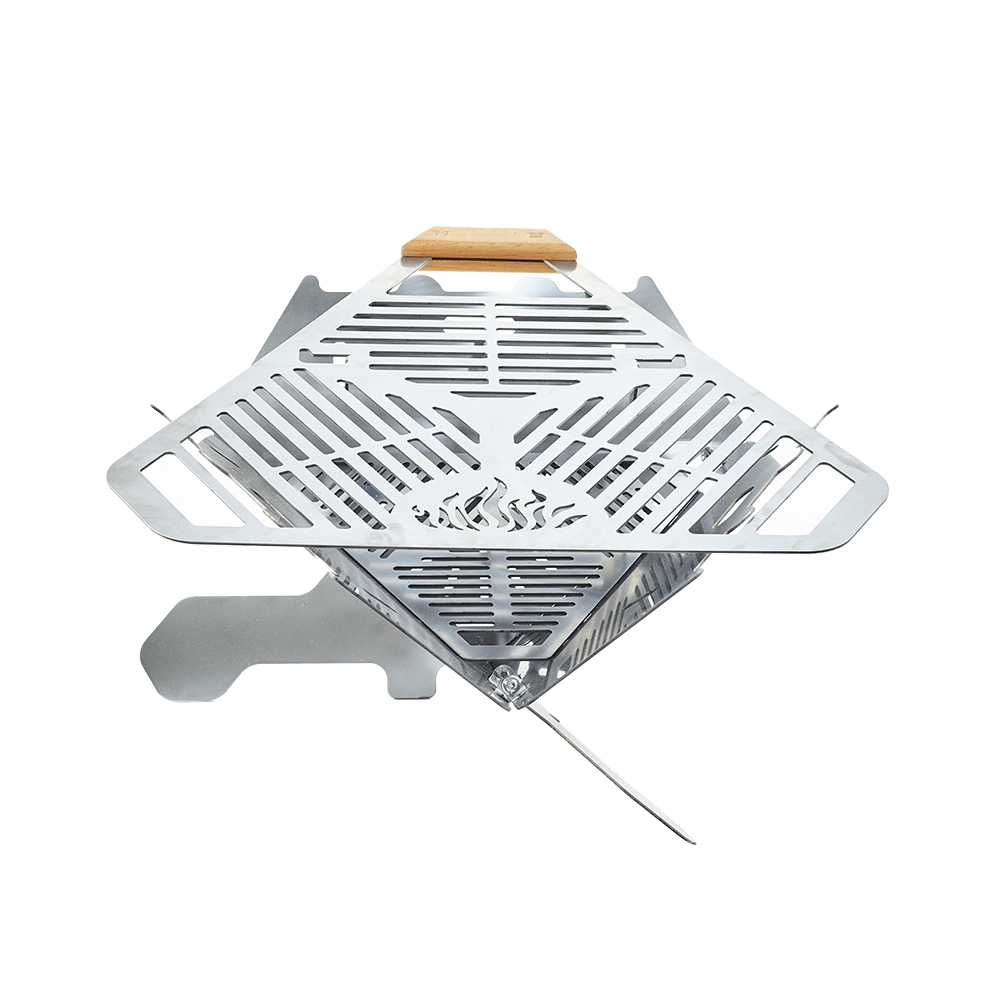
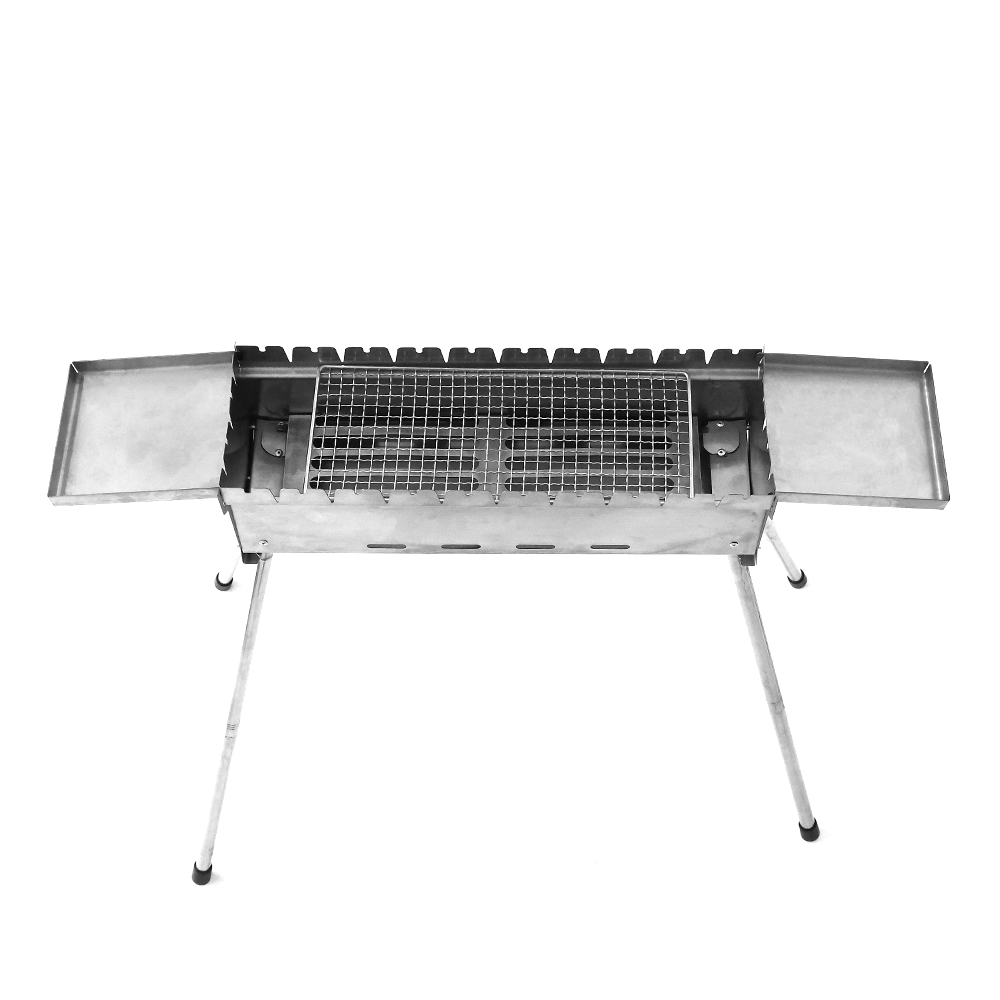
- Weight & Foldability: Ideal portable grills weigh under 10 kg (22 lbs) with folding legs or collapsible cart. Some suitcase-style designs fit in car trunks easily.
- Burner Output: For propane portables, aim for at least 8,000 BTU per burner (enough to sear burgers). Smaller charcoal hibachis work well for direct grilling.
- Durable yet Light Materials: Look for aluminum fireboxes (rustproof) or thin-gauge stainless steel with reinforced corners. Porcelain-coated steel lids reduce weight while retaining heat.
- Stability & Wind Protection: Removable wind guards or side panels prevent flare-ups. Locking lid clips add safety during transport.
Data insight: Portable grills with 180–250 sq. in. of cooking area can feed 2–4 people efficiently. Top manufacturers offer dedicated grease trays and fold-out side tables. For backpacking, consider ultra-compact charcoal grills under 3 kg.
Always check the BTU-to-weight ratio; a high-output portable grill (12,000+ BTU) paired with a small 1 lb propane tank delivers 1.5–2 hours of grilling at medium heat.
5. Behind the Scenes: How to Assess a BBQ Grill Manufacturer
Even the best backyard design depends on consistent manufacturing. Whether you source from a specialty maker or mass-producer, use these objective criteria to gauge reliability:
- Certifications & Compliance: Reliable manufacturers undergo third-party testing (e.g., CE, CSA, ETL) for gas safety and heat endurance. Request documents for burner testing at 500 hours minimum.
- Warranty & Support: A manufacturer confident in their product offers at least 2–5 years on parts (burners, valves) and 10 years on the firebox/cooking grates (limited). Avoid brands with no published warranty.
- Spare Parts Availability: Quality makers stock replacement cooking grates, burners, and igniters for at least 7 years after a model's release.
- Quality Control Indicators: Consistent weld seams, uniform porcelain coating (no chips), and pre-assembled gas leak testing. Many leading manufacturers follow ISO 9001:2015 processes.
Practical note: Ask the retailer or inspect online manuals to see if replacement parts are listed. A BBQ grill manufacturer that provides detailed schematics and support hotlines invests in long-term customer satisfaction.
6. Extend Your Grill’s Life – Maintenance by the Numbers
Regular maintenance doubles the usable life of any outdoor BBQ grill. Follow these data-driven practices:
- Deep clean every 30 cooking sessions: Remove grates and burners; scrape grease from the firebox. Built-up grease increases flare-up risk by 45%.
- Season cast iron grates twice a year: Apply high-smoke-point oil (canola/avocado) after cleaning to prevent rust and improve non-stick properties.
- Inspect gas hoses yearly: Look for cracks or leaks. Soapy water test: bubbles indicate leaks requiring immediate replacement.
- Use a premium cover: Rain and UV degrade materials 3x faster. Choose a UV-resistant, waterproof cover with ventilation to avoid moisture buildup.
Routine care keeps burners efficient: a dirty burner consumes up to 20% more fuel to reach target temperature. Additionally, store portable grills in dry environments if not in use for months.
7. Visual Flowchart: Match Your Needs to the Perfect Grill
Follow this decision tree to narrow down your ideal outdoor BBQ grill, from backyard staples to portable models.
2-4 → 250–400 sq.in.
4-6 → 400–600 sq.in.
Yes → sub 25 lbs, foldable
No → heavy-duty cart
This flow leads to zero compromise. A gas grill with 450 sq. in. cooking area, 304 stainless firebox, and foldable side shelves suits most families. For portability enthusiasts, a lightweight aluminum gas or charcoal grill under 20 lbs completes the checklist.

 Add.
Add.
 Tel.
Tel.
 Email.

