

 English
  日本語
日本語 Stainless Steel Outdoor BBQ Grills: A Complete Buyer’s Guide
What Determines a Great Stainless Steel Grill
When selecting a stainless steel outdoor BBQ grill, the most critical factor is the steel grade—always choose 304 over 430. Next, steel thickness of at least 1.2 mm for all primary components ensures heat retention and resistance to warping. A minimum of three burners is non‑negotiable for proper indirect cooking, and welded frame construction outlasts bolted assemblies every time. Prioritise these four pillars, and you will secure a grill that delivers consistent performance for over a decade with minimal maintenance.
Stainless Steel Grades: 304, 430, and 316 Explained
The grade of stainless steel determines how well your grill resists rust, heat discolouration, and structural fatigue. Here is the reality of each common grade:
Grade 304 – The Industry Benchmark
Containing 8–10.5% nickel, grade 304 offers exceptional corrosion resistance and is non‑magnetic. It withstands repeated high‑heat cycles without losing its protective chromium oxide layer. Grills built entirely from 304 stainless steel are the most durable and require the least maintenance over their lifespan.
Grade 430 – The Economical Choice
Grade 430 contains no nickel and is magnetic. It is more susceptible to rust and stress fractures, especially when exposed to moisture and temperature fluctuations. While thicker 430 can perform adequately for occasional use, it will not match the longevity of 304 under regular grilling conditions.
Grade 316 – The Marine‑Grade Upgrade
With added molybdenum, grade 316 provides superior resistance to saltwater and harsh coastal environments. It is the premium choice for seaside homes, though it comes at a significantly higher price point and is typically found only in top‑tier commercial grills.
Steel Thickness and Gauge: Why Heavier Is Better
Thicker steel directly translates to better heat retention and resistance to warping. For structural parts such as the firebox and hood, a minimum thickness of 1.2 mm is essential; premium grills often use 2 mm or more. A simple field test: press firmly on the hood – if it flexes easily, the steel is too thin. A heavier grill is almost always a better grill, as weight correlates with material density and construction quality.
Fuel Types: Propane, Charcoal, or Electric?
Your fuel choice affects flavour, convenience, and cooking style. Each has its place:
Propane (Gas) Grills
Gas grills offer instant heat and precise temperature control. They reach cooking temperature in 10–15 minutes and are the most popular choice for everyday use. A three‑burner minimum is strongly recommended to enable indirect roasting and zone cooking.
Charcoal Grills
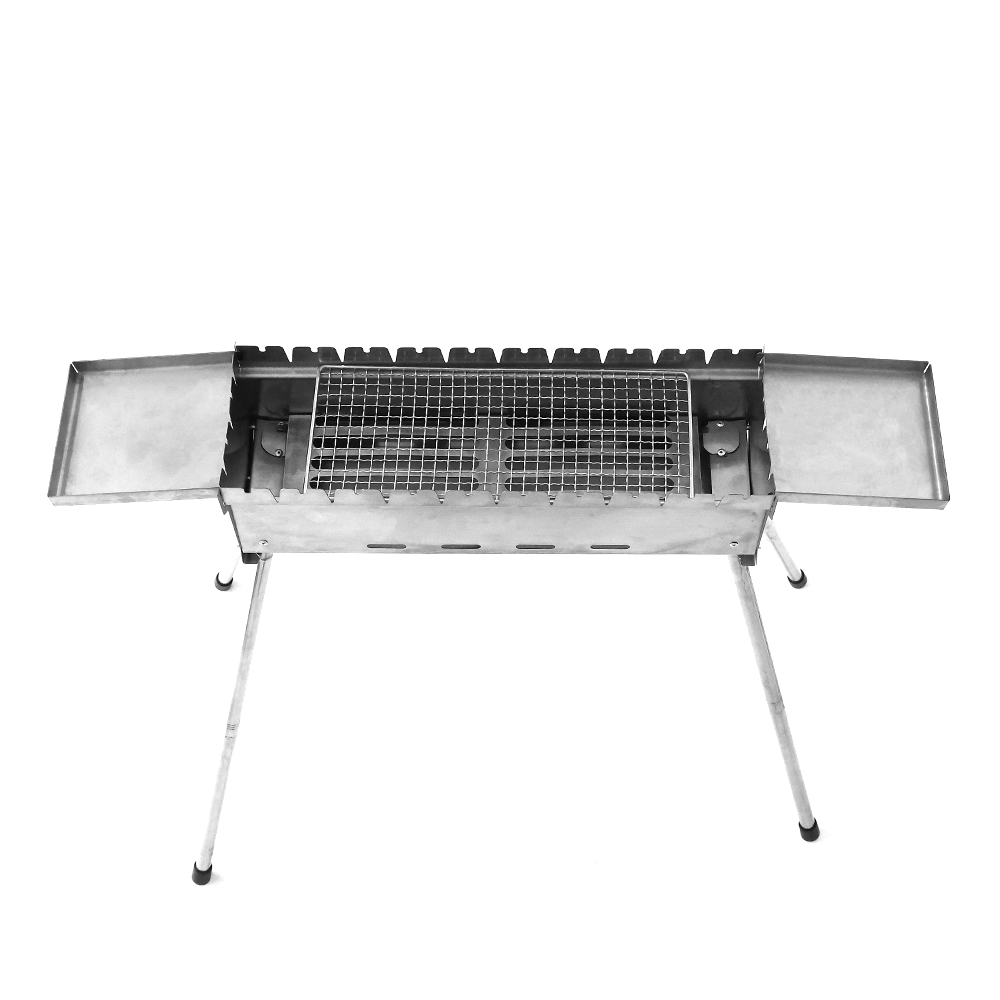
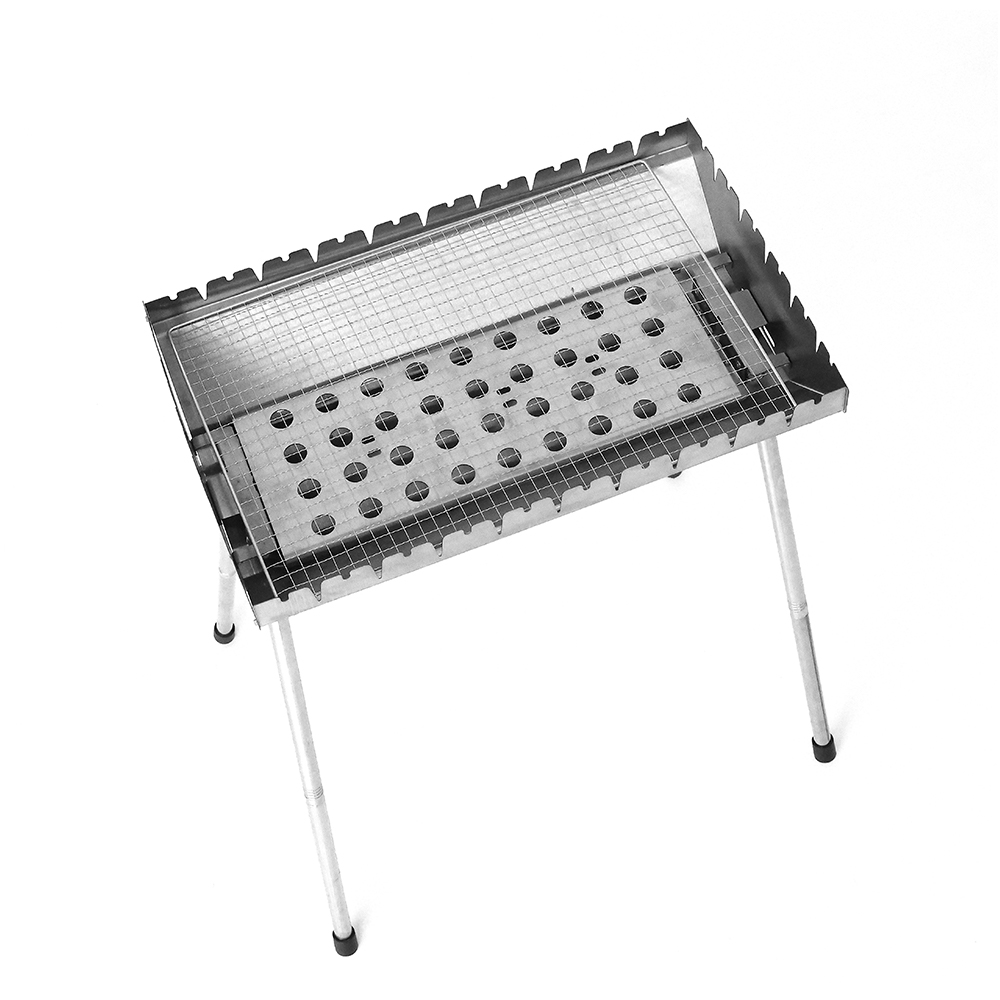
Charcoal delivers that iconic smoky flavour that many enthusiasts crave. It requires 30–45 minutes to reach optimal heat and demands more active management of airflow. Stainless steel charcoal grills combine durability with authentic taste – ideal for weekend barbecue sessions.
Electric Grills
Electric models are compact, low‑maintenance, and perfect for balconies with strict fire codes. While they lack the same smoky profile, they offer excellent temperature stability and energy efficiency for small‑space cooking.
Burner Design and Grate Materials
The burners are the heart of your grill. Cast stainless steel burners with thick walls resist burn‑through far better than thin tubular steel. For grates, the material directly affects searing quality:
- Stainless steel rod grates – rust‑resistant and easy to clean.
- Cast stainless steel – excellent heat retention for perfect sear marks.
- Cast iron – superior searing but requires regular oiling to prevent rust.
Choose grates with a thickness of at least 8 mm (5/16 inch) for even cooking and durable performance.
Frame Construction: Welded vs. Bolted
Welded frames provide superior stability and longevity because they eliminate the weak points where bolts can loosen or rust. A grill with many bolts in the assembly kit is often a sign of cost‑cutting. Give the assembled unit a firm shake – a solid, heavy feel indicates quality construction that will withstand years of outdoor exposure without wobbling.
Warranty as a Quality Indicator
Never overlook the warranty – it reveals the manufacturer’s confidence. Burners are the most vulnerable component; a warranty of 10 years or more on burners signals premium materials. Shorter warranties, especially on the firebox, often correlate with thinner steel and lower grades. Treat your grill as a long‑term investment, and prioritise products that back their durability with extended coverage.
Essential Maintenance for Lasting Shine
A little care goes a long way in preserving your stainless steel grill. Follow these best practices:
Routine Cleaning
- Always wipe along the grain of the steel using a soft microfiber cloth.
- Use mild soap and warm water for daily cleaning – avoid chlorine‑based detergents.
- For stubborn spots, a vinegar‑and‑water solution works effectively without scratching.
- Never use steel wool or abrasive pads – they destroy the protective oxide layer.
Rust Prevention
Act quickly if you spot rust – clean it with a stainless steel cleaner as soon as possible. After cleaning, apply a thin layer of mineral oil to restore the protective film. Keep your grill covered when not in use, especially in coastal or humid regions, to minimise moisture exposure.
Decision Flowchart: Choosing Your Ideal Grill
┌──────────────────────────────────────┐
│  START: Define your primary use      │
│  (casual / frequent / coastal)       │
└──────────────┬───────────────────────┘
               ▼
       ┌───────────────┐
       │  Coastal?     │──Yes──► Prioritise Grade 316
       └───────┬───────┘          or at least thick 304
               No
               ▼
       ┌───────────────┐
       │  Budget       │
       │  over $800?   │──Yes──► Look for all-304 construction
       └───────┬───────┘          with 1.2+ mm thickness
               No
               ▼
       ┌───────────────┐
       │  Under $500   │──Yes──► Accept 430 for body, but
       └───────┬───────┘          ensure burners & grates are 304
               No
               ▼
       ┌───────────────┐
       │  Preferred    │
       │  fuel type?   │──► Propane / Charcoal / Electric
       └───────┬───────┘
               ▼
       ┌───────────────────────────────┐
       │  Minimum 3 burners (gas) or    │
       │  adequate grate area (charcoal)│
       └───────────────┬───────────────┘
               ▼
       ┌───────────────────────────────┐
       │  Check warranty – burners     │
       │  should have at least 5 years │
       └───────────────┬───────────────┘
               ▼
       ┌───────────────────────────────┐
       │  FINAL: Choose the model      │
       │  that best fits your criteria │
       └───────────────────────────────┘
Stainless Steel Grade Comparison Table
| Grade | Nickel % | Corrosion Resistance | Magnetic | Recommended Use |
| 304 | 8–10.5% | Excellent | No | All‑around, frequent use |
| 430 | 0% | Moderate | Yes | Occasional / budget grills |
| 316 | 10–14% | Superior | No | Coastal / marine environments |
Frequently Asked Questions
Is 304 stainless steel really worth the higher price?
Absolutely. The nickel content in 304 provides far superior corrosion resistance, meaning your grill will stay rust‑free and look new for much longer. The extra upfront cost pays off in reduced maintenance and a longer service life.
Can I use a magnet to identify 304 vs 430?
Historically, yes – 304 is non‑magnetic while 430 is magnetic. However, newer magnetic 443 grades have made this test unreliable. Always check the manufacturer’s specifications or ask for the material certification.
How many burners do I actually need?
Three burners is the minimum recommended – even for two people – because it allows indirect cooking by turning off the centre burner. Four or more burners give you greater flexibility for large gatherings and multi‑zone cooking.
Does a higher BTU rating mean better performance?
Not necessarily. BTU measures maximum heat output, but even distribution is more important. A well‑designed grill with 30,000 BTUs can outperform a poorly designed one with 50,000 BTUs. Focus on burner design and material quality over raw numbers.
How often should I deep‑clean my grill?
Clean the grates after every use and give the exterior a wipe‑down weekly. Perform a thorough internal clean – burners, drip tray, and firebox – at least twice per grilling season to prevent grease buildup and flare‑ups.
Can stainless steel rust?
Yes, it can. The protective chromium oxide layer can be compromised by salt, moisture, and harsh chemicals. Regular cleaning and prompt treatment of any rust spots will keep your grill in top condition for years.
Contact Us

-
No.1129 Yunhe Road, Xiuzhou Industrial Garden, China
 Add.
Add.
-
+86-573-82795217 / +86-13957311130
 Tel.
Tel.
-
[email protected]
 Email.
Follow us.

