

 English
  日本語
日本語 Stainless Steel Outdoor BBQ Grill Buying Guide
Outdoor cooking equipment lives outside, which means rain, salt air, and constant heat cycling all test it at once. A Stainless Steel Outdoor BBQ Grill is built specifically to survive that environment while still delivering consistent grilling results service after service. Here's what makes the material choice matter, where these grills get put to work, and how to judge one before you buy.
Stainless steel resists rust from rain and humidity, holds up under repeated high-heat cooking cycles, and cleans down to a food-safe surface after every service.
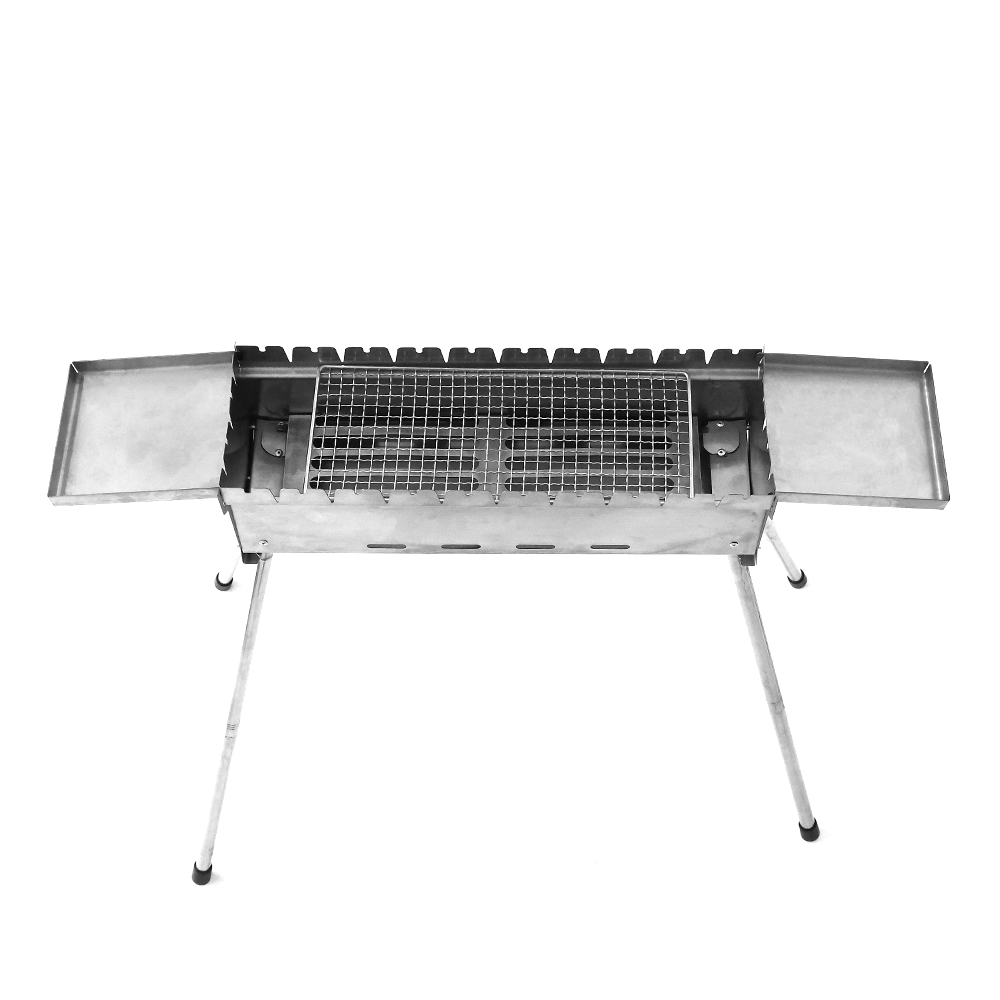
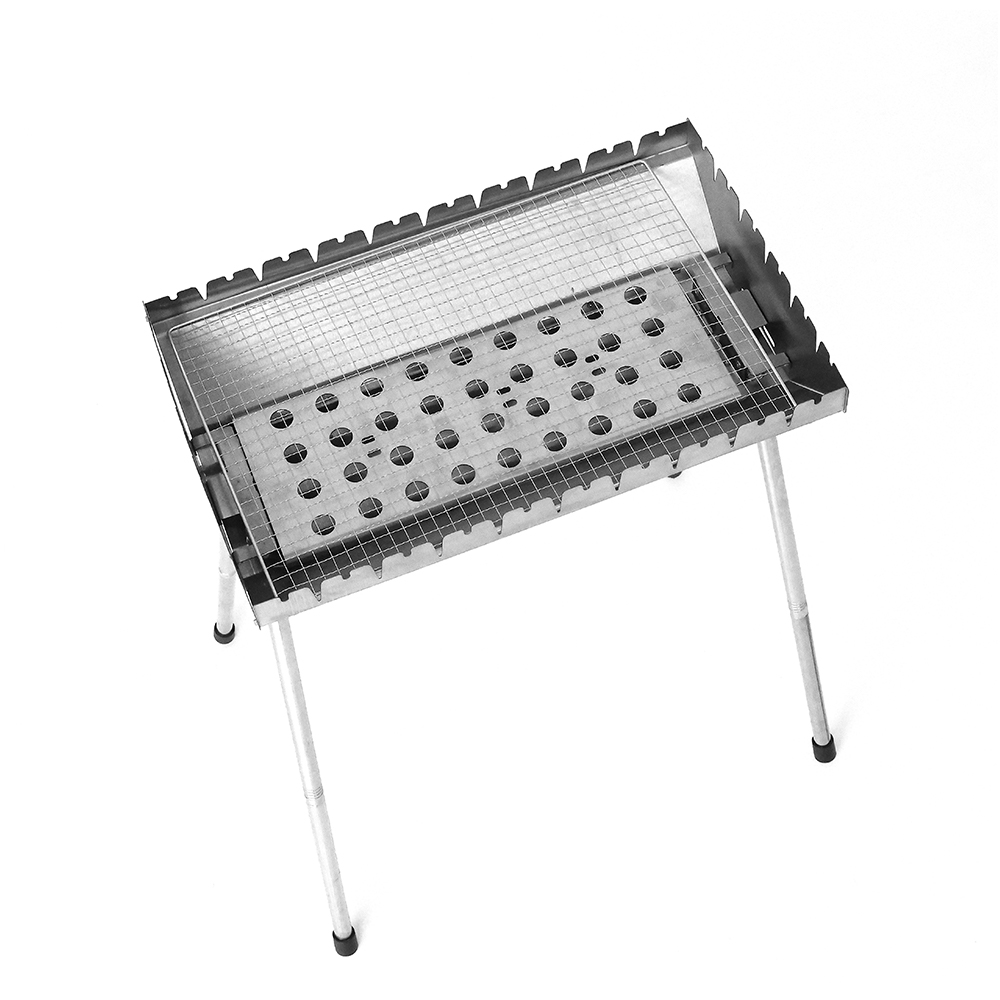
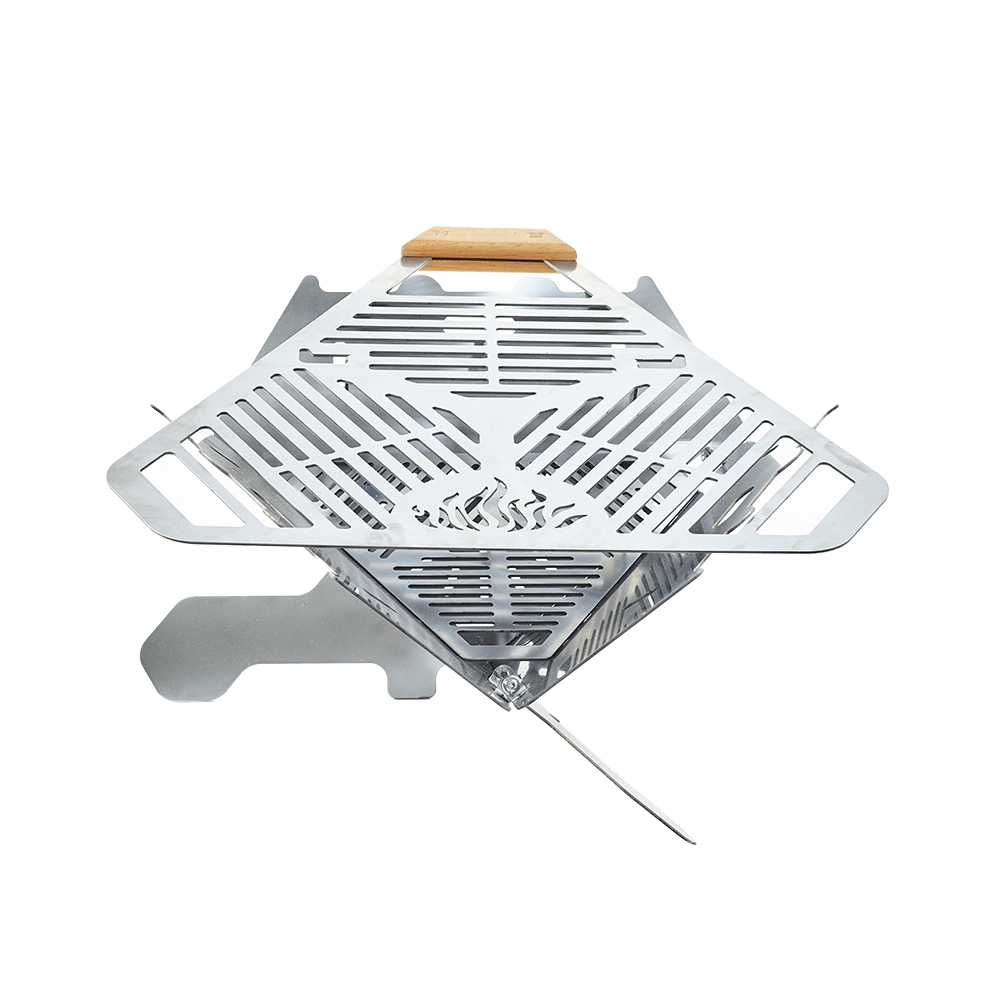
StructureWhat's Inside a Stainless Steel Grill
Beyond the visible cooking surface, a commercial-grade grill is built from several coordinated systems that keep heat consistent and cleanup simple.
- Stainless steel body frame for structural support
- Cooking grate designed for even heat transfer
- Heating system, whether gas, charcoal, or electric
- Heat-resistant handles for safe operation
- Grease collection tray for easier cleanup
- Temperature control components for consistent results
PerformanceWhy Stainless Steel Outperforms Alternatives
Stainless Steel Grill
- Strong corrosion resistance outdoors
- Stable performance under repeated heat cycles
- Easy-clean, food-safe surface
- Long service life with low maintenance
Traditional Grill Materials
- Vulnerable to rust and weather damage
- Wear faster under frequent commercial use
- Harder to keep hygienic
- Often needs more frequent replacement
ApplicationsWhere These Grills Get Put to Work
Outdoor Catering
Mobile services and barbecue restaurants needing durable, portable equipment.
Hotels & Resorts
Outdoor dining and guest activities that call for premium cooking experiences.
Camping Facilities
Reliable outdoor cooking for recreational and adventure sites.
Food Festivals
High-volume, efficient grilling for temporary and event-based catering.
SelectionWhat to Check Before You Buy
| Factor | What to Evaluate |
| Application needs | Usage environment, cooking volume, fuel type, operation frequency |
| Performance specs | Heating efficiency, cooking area, temperature control, load capacity |
| Build quality | Stainless steel grade, welding quality, surface treatment, structural design |
| Supplier capability | Fabrication experience, customization options, quality management, OEM support |
Questions Worth Asking a Manufacturer
- What stainless steel grade is used for the body and cooking grate?
- What testing data exists for heating performance and structural strength?
- Can dimensions, cooking surface, and accessories be customized?
- What is the expected service life under commercial-frequency use?
Smart temperature control and modular grill designs are moving from premium options to standard expectations as outdoor cooking businesses scale up.
OutlookWhere the Category Is Headed
Energy-efficient heating systems and recyclable stainless steel materials are becoming more common as manufacturers respond to sustainability pressure, while smart temperature control and modular designs give commercial buyers more flexibility across different outdoor cooking formats.
Key Takeaways
- Stainless steel construction handles outdoor exposure and repeated heat cycles better than alternative materials
- Match cooking area, heating capacity, and fuel type to actual commercial volume
- Welding quality and steel grade determine long-term structural reliability
- A capable supplier backs claims with heating and strength test data, not just marketing copy
Contact Us


-
No.1129 Yunhe Road, Xiuzhou Industrial Garden, China
 Add.
Add.
-
+86-573-82795217 / +86-13957311130
 Tel.
Tel.
-
[email protected]
 Email.
Follow us.

